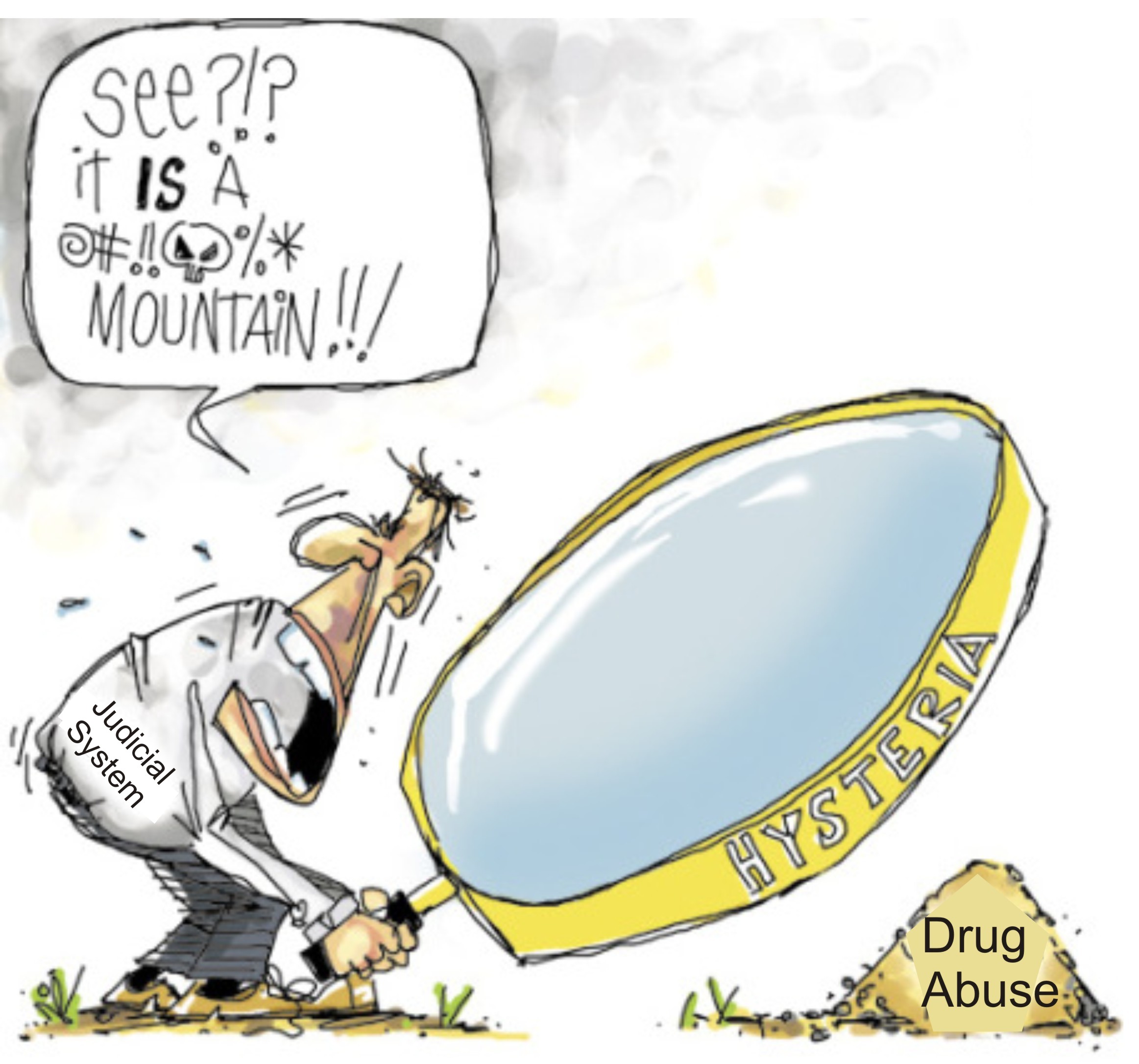
It’s Not Cancer, So What?

Letter to Normals from a Person with Chronic Pain

Letter to Normals from a Person with Chronic Pain

This is an adaptation of a piece written by Bek Oberin.
A Letter to Normals from a Person With Chronic Pain
Having chronic pain means many things change, and a lot of them are invisible. Unlike having cancer or being hurt in an accident, most people do not understand even a little about chronic pain and its effects, and of those that think they know, many are actually misinformed.
In the spirit of informing those who wish to understand: These are the things that I would like you to understand about me before you judge me.
Please understand that being sick doesn’t mean I’m not still a human being. I have to spend most of my day in considerable pain and exhaustion, and if you visit, sometimes I probably don’t seem like much fun to be with, but I’m still me, stuck inside this body. I still worry about work, my family, my friends, and most of the time, I’d still like to hear you talk about yours, too.
Please understand the difference between “happy” and “healthy”. When you’ve got the flu, you probably feel miserable with it, but I’ve been sick for years. I can’t be miserable all the time. In fact, I work hard at not being miserable. So, if you’re talking to me and I sound happy, it means I’m happy. that’s all. It doesn’t mean that I’m not in a lot of pain, or extremely tired, or that I’m getting better, or any of those things. Please don’t say, “Oh, you’re sounding better!” or “But you look so healthy!” I am merely coping. I am sounding happy and trying to look normal. If you want to comment on that, you’re welcome.
Please understand that being able to stand up for ten minutes doesn’t necessarily mean that I can stand up for twenty minutes, or an hour. Just because I managed to stand up for thirty minutes yesterday doesn’t mean that I can do the same today. With a lot of diseases you’re either paralyzed, or you can move. With this one, it gets more confusing everyday. It can be like a yo-yo. I never know from day to day, how I am going to feel when I wake up. In most cases, I never know from minute to minute. That is one of the hardest and most frustrating components of chronic pain.

Please repeat the above paragraph substituting “sitting”, “walking”, “thinking”, “concentrating”, “being sociable” and so on, it applies to everything. That’s what chronic pain does to you.
Please understand that chronic pain is variable. It’s quite possible (for many, it’s common) that one day I am able to walk to the park and back, while the next day I’ll have trouble getting to the next room. Please don’t attack me when I’m ill by saying, “But you did it before!” or “Oh, come on, I know you can do this!” If you want me to do something, then ask if I can. In a similar vein, I may need to cancel a previous commitment at the last minute. If this happens, please do not take it personally. If you are able, please try to always remember how very lucky you are, to be physically able to do all of the things that you can do.
Please understand that “getting out and doing things” does not make me feel better, and can often make me seriously worse. You don’t know what I go through or how I suffer in my own private time. Telling me that I need to exercise, or do some things to “get my mind off of it”, may frustrate me to tears, and is not correct. if I was capable of doing some things any or all of the time, don’t you know that I would? I am working with my doctors and I am doing what I am supposed to do. Another statement that hurts is, “You just need to push yourself more, try harder”. Obviously, chronic pain can deal with the whole body, or be localized to specific areas. Sometimes participating in a single activity for a short or a long period of time can cause more damage and physical pain than you could ever imagine. Not to mention the recovery time, which can be intense. You can’t always read it on my face or in my body language. Also, chronic pain may cause secondary depression (wouldn’t you get depressed and down if you were hurting constantly for months or years?), but it is not created by depression.
Please understand that if I say I have to sit down, lie down, stay in bed, or take these pills now, that probably means that I do have to do it right now, it can’t be put off or forgotten just because I’m somewhere, or I’m right in the middle of doing something. Chronic pain does not forgive, nor does it wait for anyone.
If you want to suggest a cure to me, please don’t. It’s not because I don’t appreciate the thought, and it’s not because I don’t want to get well. Lord knows that isn’t true. In all likelihood, if you’ve heard of it or tried it, so have I. In some cases, I have been made sicker, not better. This can involve side effects or allergic reactions, as is the case with herbal remedies. It also includes failure, which in and of itself can make me feel even lower. If there were something that cured, or even helped people with my form of chronic pain, then we’d know about it. There is worldwide networking (both on and off the Internet) between people with chronic pain. If something worked, we would KNOW. It’s definitely not for lack of trying. If, after reading this, you still feel the need to suggest a cure, then so be it. I may take what you said and discuss it with my doctor.
If I seem touchy, it’s probably because I am. It’s not how I try to be. As a matter of fact, I try very hard to be normal. I hope you will try to understand. I have been, and am still, going through a lot. Chronic pain is hard for you to understand unless you have had it. It wreaks havoc on the body and the mind. It is exhausting and exasperating. Almost all the time, I know that I am doing my best to cope with this, and live my life to the best of my ability. I ask you to bear with me, and accept me as I am. I know that you cannot literally understand my situation unless you have been in my shoes, but as much as is possible, I am asking you to try to be understanding in general.
In many ways I depend on you, people who are not sick. I need you to visit me when I am too sick to go out. Sometimes I need you help me with the shopping, the cooking or the cleaning. I may need you to take me to the doctor, or to the store. You are my link to the “normalcy” of life. You can help me to keep in touch with the parts of life that I miss and fully intend to undertake again, just as soon as I am able.
I know that I asked a lot from you, and I do thank you for listening. It really does mean a lot.

Judging a “book by its cover” is “perfectly fine” according to ISP policy

https://youtu.be/oecJFnu_wx8

http://wlfi.com/2015/10/05/woman-records-troopers-accusations-of-meth-use-during-traffic-stop/

TIPPECANOE CO., Ind. (WLFI) — An Otterbein woman is pulled over by the Indiana State Police. But what she thought would be a routine traffic stop, left her feeling bullied.

“As soon as I turned my head and started talking to him, that’s when he started asking me about prior drug use and if I had any prior drug charges on me,” said Otterbein resident Stephanie Foltz.

That’s how a routine traffic stop began for Foltz.

She was headed home from her job in Flora Monday, when ISP Trooper Thomas Manning pulled her over on U.S. 421 for speeding.

Foltz said the questions continued.

“After that, it just kept going with the drugs,” said Foltz.

When Manning went back to his car to check Foltz’s information, she said she sent a text message to her husband — who advised her to record the conversation.

She said when Trooper Manning came back, she used her phone to record the rest of the interaction.

Foltz sounds noticeably anxious in the recording, and Manning asks her what’s wrong.

“When I get put in a stressful situation, I get anxious,” says Foltz.

“When did you start smoking meth?” asks Manning.

Foltz replied, “I’ve never smoked meth in my life.”

“OK,” said Manning. “What happened to your teeth?”

Foltz said she was appalled by his question.

“I was being bullied, and I was being judged, and I was being discriminated against just based on my appearance,” Foltz said.

In the recording, Foltz explains why her teeth aren’t in the best shape.

“You’re saying that your children did that to you?” asked Manning.

“During pregnancy they take calcium out of your body and the first place that it comes from is your teeth,” replied Foltz.

Manning replied, “I don’t believe you.”

The recording continues, and Manning explained his reasons for the traffic stop.

Foltz thought the accusations had stopped, but she was wrong.

“I’m not out here to try to get you,” said Manning. “However, I do take it personally when people aren’t honest with me.”

While Manning continued to explain the ticket to Foltz, she said she became more and more upset.

“Are you upset because I told you, you were lying?” asked Manning.

“Yeah, because you’re judging me on the way that my mouth looks,” replied Foltz. “I’ve never done drugs in my life.”

Foltz said she hasn’t filed a complaint with the Indiana State Police, and isn’t sure if she will.

“I don’t want to get anyone in trouble,” said Foltz. “I don’t want him to lose his job or anything like that. A simple apology would be nice.”

Indiana State Police declined an on-camera interview.

However, ISP explained the troopers actions in a statement to News 18:

“We encourage our officers to look beyond the traffic ticket for signs of criminal activity. This did not rise to the level of a rule violation, or a violation of law. A discussion has occurred with the Trooper on how to be more tactful when conducting a traffic investigation. We now consider the matter to be closed.”

When it is time to take credit …


SRAcrystalballWe have seen her recent reelection campaign videos of how she had ran all the Oxy-docs out of Florida.. while not talking about all the increased Heroin use/abuse/deaths.  Has anyone noticed that she has been MIA after Matt Grant ambushed her and presented her with 200+ comments WESH’s FB page got after one of his first expose on the denial of care of chronic painers.

pambondi

The FL BOP’s special committee on denial of care to chronic painers in FL are working on some “fixes” that will probably look good on paper but the reality of it all will not budge the needle on denial of care. They have a target date of the end of 2017 to have everything in place.

Gov Scott is “termed out” , but Bondi will be 53 when her current term expires 2018…  Most likely, she will be running for some other office .. perhaps Governor … So that during her election campaign in 2018 she will be able to brag about all has been accomplished during her time in office to get rid of the “oxy-docs” while protecting the access of chronic painers to the meds they need/deserve… All the while ignoring the increase use/abuse/deaths from Heroin.

But in the interim… IMO.. she will remain MIA on this issue.

What a lot of people don’t understand is that the BOP has very limited authority… they can fine, suspend, revoke a Pharmacist’s license, but.. when something illegal is involved .. diverting drugs, pt abuse/harm or some other things that may involve jail time.. the AG’s office is the entity that would pursue action in those issues.

What I understand as to the actions of the special committee… is to force Pharmacists to have 2 hrs of education on chronic pain… How this is going to get them to ignore their corporate employer’s policies .. like WAG’s “good faith policy” … or how it is going to get the drug wholesaler to stop rationing to pharmacies and prescribers to start more aggressively treat pain.

If you also noticed, the DEA has only been present at ONE of the THREE meetings so far… and we have no confirmation that the DEA’s position is going to change on this whole issue.

IF YOU HAD TO CHOSE… unrelenting pain, dependency, addiction, suicide .. which would you chose ?

EXCLUSIVE: As Jennifer Aniston stars in a new film about the daily agony of living in pain, one father’s heartbreaking story of how the loneliness and despair it causes drove his daughter to suicide

  • Julia Kelly suffered from chronic pain after two car accidents 
  • 39-year-old was forced to move house and give up her job 
  • Charity worker committed suicide on November 2 last year
  • Her father David is continuing her charity, A Way With Pain 

Julia Kelly spent most of her short life racked by pain.

Plagued by excruciating gynaecological complaints from the age of 11, she went on to suffer daily agony from two car accidents – neither of which were her fault.

After the first, 10 years ago, she battled to retain a sense of normality.

But over time, with her body giving up, she struggled to come to terms with how the pain so drastically altered the course of her life.

Scroll down for video 

Julia Kelly (centre) faced an ongoing battle with chronic pain after two car accidents. She is pictured with her parents David (left) and Valerie (right)

Julia Kelly (centre) faced an ongoing battle with chronic pain after two car accidents. She is pictured with her parents David (left) and Valerie (right)

I AM CHRONIC PAIN

Before her death, Julia helped produce a short, but poignant film to help educate others about the real effect of living with chronic pain. Her father David believes the words are a stark reminder of how the condition affects sufferers.

You can’t see me,

You probably do not even know I exist,

I am chronic pain,

I wreck lives,

I destroy happiness,

I tear relationships apart, shatter dreams,

I stop careers in their tracks,

I may even take your home and empty your bank account,

And let’s not forget to mention the daily, physical pain I will cause you,

I can appear at any time,

And I do not discriminate,

Beware – one day I may even take your life away.

At 37, when most women dream of having a family, Julia was so immobile she couldn’t tie her own shoelaces.

Forced to move home to her parents and quit her beloved job, the lack of a ‘proper life’ and independence became unbearable for the sociable and extremely intelligent charity worker.

But it was the second car accident two years ago, which left her fearing incontinence, that was the final straw.

Three months ago, on November 2, Julia ended her life aged just 39, no longer able to bear her constant suffering.

She left no note, but her family are in no doubt the agony she endured for several years – and the loneliness and despair it brought – are to blame.

Her father David, 72, is now running the pain charity she founded to help others battling the condition to realise they are not alone.

He hopes that by doing so, others may be spared the tragedy and heartache his family has endured.

More than 1.5 billion people worldwide – or around one in seven of us – suffer from chronic pain, according to the American Academy of Pain Medication.

David, 72, has spoken about how the loneliness and despair of chronic pain led to Julia, pictured at the family home before the accident, committing suicide last year

Julia enjoys the snow at a nearby park with her father after the accidents


David, 72, has spoken about how the loneliness and despair of chronic pain led to Julia, pictured left at the family home before her two accidents, committing suicide last year

Jennifer Aniston (pictured) is starring in Cake - a new Hollywood film about chronic pain 

Jennifer Aniston (pictured) is starring in Cake – a new Hollywood film about chronic pain

Looking back, it’s so stupidly, blatantly obvious that she was depressed. It didn’t cross our minds – and she kept it from us.

The condition is defined as pain that lasts as three or more months.

Despite these overwhelming statistics, chronic pain remains one of the most poorly understood and underfunded services in global healthcare.

As a result, trying to get effective treatment can be lengthy and frustrating, leaving those affected feeling helpless and in some cases, suicidal.

But now, thanks to a new Hollywood film starring Jennifer Aniston, it has been thrust into the limelight – to the relief of families such as the Kellys, who hope it will raise awareness of the brutal reality of living and caring for someone with the condition.

In the film, Aniston plays Claire Bennett, who suffers horrific chronic pain following a car accident.

Her physical pain is evident in the scars that line her body and the way she carries herself, wincing with each tentative step.

She has driven away her husband and her friends – and even her chronic-pain support group has kicked her out.

It is only the suicide of Nina, one of her fellow chronic-pain group members, that triggers her to confront her life with pain – and how to deal with it head on.

The film spares none of the misery that sufferers deal with on a daily basis: the agony of taking just a few steps, the torture of sitting in a car as it goes over a speed bump, the relentless insomnia – and the in some cases, the anger towards the person or situation that caused the pain.

Tragically for Julia, pain won – but her family are determined to help others suffering with chronic pain avoid the same fate.

As a young child Julia enjoyed playing with her brother Brett. They are pictured together enjoying an Easter egg hunt in the spring sun 

As a young child Julia enjoyed playing with her brother Brett. They are pictured together enjoying an Easter egg hunt in the spring sun

Julia and Brett, pictured in the snow outside the family home, made the most of their time together as children and her father David is heartbroken that she was never able to have children herself

Julia and Brett, pictured in the snow outside the family home, made the most of their time together as children and her father David is heartbroken that she was never able to have children herself

Julia as a young girl. Before her death she left no note, but her family are in no doubt the agony she endured for several years - and the loneliness and despair it brought - are to blame

Julia as a young girl. Before her death she left no note, but her family are in no doubt the agony she endured for several years – and the loneliness and despair it brought – are to blame

For David and his wife Valerie, 74, the film was particularly poignant and raw as they attended a screening just three months to the day that Julia had taken her own life.

‘Ironically, our train trip from Northamptonshire to London was held up for 30 minutes due to someone jumping off a bridge onto the railway line,’ David told MailOnline.

‘With chronic pain – or a mental health issue – it’s so important to realise you are not alone.

‘There are people who have trodden this path before and can help you. And I realise now that unless you have been through it, you will never understand it.

‘The cruel fact is that this condition affects one in seven people and has a massive impact on social structure, working environment, education and employment.

‘Teachers and employers, for example, are often not aware of chronic pain and think sufferers are perhaps lazy, when actually the person is suffering very debilitating pain that no one can see.

‘Whereas you can see a broken arm or a wheelchair, you can’t see chronic pain.’

Julia celebrating her 21st birthday with Brett. She suffered from severe endometriosis from the age of 16

Julia celebrating her 21st birthday with Brett. She suffered from severe endometriosis from the age of 16

David and Valerie feel that in Claire, Jennifer Aniston played a powerfully moving character.

‘We saw a very close resemblance to Julia so often,’ he said. ‘The way her body moved, the way she walked – every movement was so evidently painful.

‘Travelling in a vehicle was also such agony, her facial expressions showed the pain all so often.’

A few times, she said she wished she had never been born, that she’d never had a good life because of the pain

And as also becomes apparent in the film, life with chronic pain can be incredibly lonely.

‘The life you had – work, going out with friends – has gone,’ said David, a retired commercial manager.

‘But everyone else continues with their life. They work all week, see their partners on the weekend.

‘Julia didn’t have that – and unless you go through that bereavement process properly for the life you once had – and come to terms with the fact it’s gone – it will slowly eat away at you until you crack.

‘Whenever I see a young girl, probably married, pushing a pushchair down the street, I feel sad that Julia never had that.

‘A few times, she said she wished she had never been born, that she’d never had a good life because of the pain.

Julia and her mother Valerie enjoy a drink together. David said: 'While I find I can lose myself in the charity work, which helps with the grief, my poor wife is not so fortunate'

Julia and her mother Valerie enjoy a drink together. David said: ‘While I find I can lose myself in the charity work, which helps with the grief, my poor wife is not so fortunate’

David said: 'Looking back, it's so stupidly, blatantly obvious that she was depressed. It didn't cross our minds – and she kept it from us'

David said: ‘Looking back, it’s so stupidly, blatantly obvious that she was depressed. It didn’t cross our minds – and she kept it from us’

Diagnosed with severe endometriosis at 16 after suffering crippling period pains, Julia was given hormonal medication so powerful it induced a ‘mock menopause’.

David said: ‘Because of her terrible endometriosis when she was a teenager, she often missed out on fun nights out with her friends, relationships were impossible and the pain impacted hugely upon her education.’

Despite missing huge chunks of her education because of it, she was overjoyed to secure a job with a local charity at the age of 28.

Writing on the charity’s website before her death, Julia said: ‘I was so proud to finally be working full time and enjoying life, my symptoms became manageable and I returned to work and got my very own first home.’ 

But in July 2005 she was involved in a car accident – and, unbeknown to her at this point, she would be in pain every day for the rest of her life.

While for the first few years, the pain was manageable, by May 2010, Julia was in agony.

‘She said the pain was like red hot pokers in her leg,’ said David. ‘It hurt to stand, it hurt to sit – she needed cushions for everything.’

Unable to stand, she could only crawl around her flat on her hands and knees.

By the July, the pain forced Julia to abandon life as she knew it.

‘She had to move home – and I don’t think she ever came to terms with it – it was like a bereavement,’ said David.

MY LIFE FELT AS THOUGH IT WAS SPIRALLING OUT OF CONTROL

By May 2010, five years after her first car accident, Julia’s pain was so bad she was unable to stand – and she could only move around her flat by crawling on her hands and knees.

By the July, it forced her to abandon life as she knew it.

Writing for her charity website in 2012, she said: ‘Life became a blur of hospital appointments and I was put on heavy medication to help with the pain, including tramadol, cocodamol, ibuprofen, diazepam, amitriptyline and gabapentin.

‘My life felt as though it was spiralling completely out of control, the sheer pain and meds meant I could no longer drive, so I became totally reliant upon my recently retired parents to ferry me to my never ending stream of medical appointments.

‘I could no longer manage living on my own so once more, my loving parents came to the rescue, took me in and became my carers.

‘Not being able to work meant having to give up the home I’d worked so hard for, and my much loved and taken for granted independence evaporated right there and then. I felt like I was losing my identity.

‘I felt totally useless, a complete burden on everyone.

‘Feelings of hopelessness, loneliness and despair prevailed.

‘Despite a loving family, great friends and my faithful cat Milly, I felt totally useless, a complete burden on everyone and, quite frankly, an emotional basket case.

‘Night times were the worst – they seemed so long and I couldn’t sleep for the pain.

‘I was lucky if I got a couple of hours sleep so it wasn’t long before the effects of sleep deprivation kicked in, and I found myself turning into a person I hardly recognised anymore, so irritable and angry.’

After a wealth of tests, which revealed toxic liquid had been passing from one of the discs in her spine onto the nerve roots causing pain, she underwent surgery to remove two discs.

Along the way, she found several coping strategies including psychology sessions, hypnotherapy, yoga, meditation and osteopathy.

Despite the pain Julia retained a glimmer of hope that one day, her life might be able to return to some kind of normality.

But in a cruel twist of fate, lightening did strike twice.

In March 2013, Julia was involved in a second car accident when, once again, someone drove into her car.

Her injuries meant she needed major surgery to re-fuse her lower spine.

‘After this accident, she was in absolute pain all of the time,’ said David.

‘From then, up to her death in November 2014, Julia had 72 appointments with a mixture of consultants, doctors, physiotherapists and pain clinics.

‘In terms of her quality of life, she was existing, not living.

‘She couldn’t even lace her shoes up or get dressed without help and some of the strong pain medication made her incoherent.

‘There were no holidays. Her days consisted of being showered by lunchtime, a bit of charity work and then us taking her to the shops before making her dinner.’

Julia was also left with problems with her bowel and feared she may become reliant on a colostomy bag.

After the two car accidents Julia attended 72 different appointments with a mixture of consultants, doctors and physiotherapists. Despite this she still suffered from a low quality of life and found it painful to move

After the two car accidents Julia attended 72 different appointments with a mixture of consultants, doctors and physiotherapists. Despite this she still suffered from a low quality of life and found it painful to move


‘It was the bowel problems that were the last straw,’ said David. ‘She felt if she lost her dignity, she would have lost everything. The carpet was pulled from under her.

‘Until the second accident, she felt she could just about keep up with life, perhaps get a part-time job, but these dreams were then destroyed.’

On top of this, there was the stress of claiming benefits and work tribunals.

Despite overwhelming medical evidence to support her claim, Julia was forced to endure three tribunals – ordeals which only hampered her recovery, her family believes.

The cruel irony was that while Julia was in fact desperate to work, she was made to feel she was exaggerating the pain she was in.

‘People just don’t understand how crippling it can be,’ said David.

Now, three months after Julia’s death and with her inquest next month, he believes he missed signs that his daughter was severely depressed.

‘When you have the benefit of hindsight, it is so easy,’ he said.

‘We always supported Julia, cared for her and helped her financially. But she was very good at hiding things from us.

‘We could see she was in pain, she couldn’t sleep and how each step was excruciatingly painful for her, but we did not understand the mental anguish she was going through.

‘Looking back, it’s so stupidly, blatantly obvious that she was depressed. It didn’t cross our minds – and she kept it from us.

‘We later found out she’d told a friend it would destroy us if we knew. We are getting on a bit and I fear Julia felt – wrongly – she would become a burden to us.’

Despite missing huge chunks of her education because of the pain, Julia was overjoyed to get a job with a local charity at the age of 28. She is pictured with her father after securing some funding

Despite missing huge chunks of her education because of the pain, Julia was overjoyed to get a job with a local charity at the age of 28. She is pictured with her father after securing some funding

Writing on the charity's website before her death, Julia said: 'I was so proud to finally be working full time and enjoying life, my symptoms became manageable and I returned to work and got my very own first home'

Writing on the charity’s website before her death, Julia said: ‘I was so proud to finally be working full time and enjoying life, my symptoms became manageable and I returned to work and got my very own first home’

Just a month before her death, he and Julia went away together for a few days.

‘I felt she was trying to build up the courage to tell me something, but she just couldn’t get the words out,’ said David.

‘The next month, she had gone.’

Does he wish he had done more?

‘Looking back, you can beat yourself up – my wife and I always wonder if we could have done more,’ he said.

‘But in real terms, we couldn’t take the pain away and we couldn’t stop it getting any worse. We couldn’t help the loneliness.’

However he believes Julia’s decision to end her life was ‘totally on the spur of the moment’.

‘On the Tuesday before she died, Valerie had dinner with her and she seemed fine,’ said David.

‘But she had been hounded by the Department for Work and Pensions over some payments she owed and I suppose, with the pain, her patience finally exploded.’

In the horrific three months after Julia's death David has focused his energy on building up the charity she founded, A Way With Pain

In the horrific three months after Julia’s death David has focused his energy on building up the charity she founded, A Way With Pain

The family first became aware something was wrong when Julia failed to arrive for Sunday dinner.

‘She’d been back at her own flat that we’d kept paying for so she had somewhere to go for space,’ explained David. ‘Although most of the time she lived with us, as she was so immobile.’

At 6.30pm, two hours after Julia was due to arrive back, both David and his son Brett, 42, sent her a text.

When they received no reply, a call to a friend of Julia’s who lived nearby revealed her car was there and the lights in the flat were on.

Feeling uneasy, David and Brett drove the 20 minutes to Julia’s flat.

‘We went around the back of the house and through the blind we could see her lying on the settee, not moving,’ David said.

‘Brett could see what had happened. We called the police.’

In the horrific three months since that day, David has focused his energy on building up the charity Julia founded, A Way With Pain.

David and Valerie feel that Jennifer Aniston (pictured left) plays a powerfully moving character in the new film. 'We saw a very close resemblance to Julia so often in the film,' they said

David and Valerie feel that Jennifer Aniston (pictured left) plays a powerfully moving character in the new film. ‘We saw a very close resemblance to Julia so often in the film,’ they said


‘In 2012, she came to me saying she wanted to do something proactive, explaining there really wasn’t anything out there to help people like her,’ he said.

‘The charity was started to create awareness of chronic pain and support those affected – and I became involved to support her.

‘Now I’m keeping going as a legacy to Julia.

‘And while I find I can lose myself in the charity work, which helps with the grief, my poor wife is not so fortunate.’

Going forward, the family hopes the website will bring solace to others living with – or caring for someone with – chronic pain.

‘It’s a place where people can visit, find comfort and share their experiences on the forum, if they so wish,’ said David.

‘Hopefully it can eliminate some of the fear, frustration, loneliness and isolation that can be felt when living and dealing with chronic pain on a daily basis.’

Cake is in cinemas nationwide now

For confidential support, contact the Samaritans on 08457 909090 (the helpline is open 24 hours a day, 365 days a year) or visit the website 

“I’m about ready to eat a 9 mm or something. I just can’t take it anymore. This is not life to me,”

Pharmacy board could make it easier to legally get pain pills

http://www.wtsp.com/story/news/health/2015/10/05/pharmacy-board-could-make-easier-legally-get-pain-pills/73411244/

Tampa, Florida — It’s been an agonizing battle that’s lasted five years.

People who have legitimate needs for painkillers struggling to get their prescriptions filled.

The folks who need their pain medication may have hope after a meeting Monday with a committee for the Florida Board of Pharmacy.

Imagine being in excruciating pain, getting a prescription for pain medication from your doctor, and having to go to dozens upon dozens of pharmacies to try and get it filled.

That’s a reality for thousands of people in Florida including James Harvey in Spring Hill.

Getting painkillers to those who need them WTSP

“I went to every pharmacy in Hernando County. And they tell you either they do not have them, or they won’t fill them,” Harvey said.

Harvey can walk for about 15 minutes on a good day.

“I can’t do anything anymore. I can’t walk down the street, I can’t walk around the yard.”

He’s in excruciating pain every moment of every day after he broke a spinal disc in his back.

“It hurts from the center of my back to the tips of my toes.”

And Harvey says he’s at the end of his rope.

What do you think? Join the conversation about pain meds on Facebook

“I’m about ready to eat a 9 mm or something. I just can’t take it anymore. This is not life to me,” he said.

Even with a valid doctor’s prescription, Harvey is one of thousands in Florida who can’t get their legal pain medication.

While bringing us into his home, Harvey nearly tripped and fell because of his pain.

“I just don’t want to hurt anymore. I’m tired of it,” he said.

It’s the many cases just like Harvey’s, or worse, that have brought the Florida Board of Pharmacy Controlled Substance Committee to Tampa.

It’s discussing new language to make it easier for pharmacists to prescribe pain meds emphasizing “it’s unacceptable not to fill as well,” said Committee Chair Gavin Meshad.

Now, it’s up to the pharmacy board to approve the new language emphasizing that pharmacists have to use their professional judgment, not just fear sanctions from the board or the Attorney General’s office.

Attorney General Pam Bondi’s office issued this statement on the pharmacy board changes: “No one wants to see anyone suffer; and we are encouraged that the Board of Pharmacy is bringing together state and federal government agencies, as well as, pharmacies and distributors to address this critical healthcare issue.”

How did we get this point?

It started about 5 years ago with the massive crackdown on pill mills in Florida. There were restrictions on how many times doctors could prescribe pain pills and how often they could be dispensed without government oversight or even sanctions.

We talked to 10 News health care expert Jay Wolfson to find out what folks are up against for change.

“I think they’re up against the illegitimate uses which are extraordinary and substantial in this state,” Wolfson said. “The problem is for those people who have legitimate needs who are not able to get it. Finding that balance is a tough policy and social decision.”

We’re going stay with this story and keep you update on any action taken to make it easier for you to get your pain pills.

Click here to contact the Florida Board of Pharmacy.

You think that the cost of oral opiates are HIGH now…

Opioid bill includes pill buy-back language

http://www.ack.net/Opioidbill100515.html

(Oct. 5, 2015) In legislation passed Thursday by the Massachusetts Senate to fight drug abuse, language sponsored by Cape and Islands Sen. Dan Wolf (D-Harwich) would establish a program to require pharmaceutical companies to buy back prescription drugs already distributed but not used by patients, whether those pills are returned voluntarily or confiscated by law enforcement.

 Proceeds from the required buy-back would fund drug treatment and prevention.

 “Pharmaceutical companies must join us all in fighting drug abuse, and this is an important way for them to do that,” Wolf said. “Companies that create these beneficial compounds certainly do not want to profit from abuse and tragedy. So when painkilling pills are over-prescribed, or stolen for re-sale, surely pharmaceutical companies should welcome this opportunity to compensate our communities and create a strong incentive to reduce excess supply.”

 “What this amendment does is recognize that for an industry approaching $15 billion, only about 58 percent of the drugs are actually used for the purpose of their manufacture,” Wolf said on the Senate floor. “Fully 42 percent of these drugs are not being used for the purposes and individuals they were made for. The others are hitting the streets, or discarded.

 “We want to find a mechanism to submit those drugs back to the pharmaceutical companies, and have them return revenue made in their sale. It is a fair, just, balanced way to approach this. And it would create funding for prevention and treatment.”

 The legislation instructs pharmaceutical companies, working with the Massachusetts Department of Health, to create a program and mechanism to assess a price per pill recovered, levy a fee for each pill to the manufacturer, and put those fees into a fund to support public programs to fight drug abuse. Such a plan must be presented to the Legislature by January 2018.

 “Those who create and profit from these pharmaceuticals must join physicians who prescribe as well as patients who consume to take some of the responsibility for this plague,” Wolf said. “This is one way to do that, one more proactive strategy to end drug abuse.”

 Other key provisions of the legislation include:

 • Add screening, brief intervention, and referral to treatment to the list of screenings schools conduct to identify youth at risk.

 • Increase access to specialists who specialize in pain management and treatment by creating a program for remote consulting for physicians.

 • Protect “Good Samaritans” who administer naloxone to an overdose victim from civil liability.

 • Require that Gabapentin, a drug that enhances the effect of opiate misuse, be reported and monitored.

 • Require that all schedule II opiate prescriptions be written in an “up to” quantity, allowing patients to voluntarily reduce the amount dispensed, and require prescribers to educate patients about their right to receive lesser quantities.

 • Allow patients to voluntarily record a non-opiate directive, a binding instruction to prescribers that the patient should not be offered an opiate.

 The legislation now moves to the House for consideration.

FL BOP still talking.. DEA and AG Bondi no where to be found ?

I will support and defend the Constitution of the United States against others.. but.. not us ?

200+ DEA Agents Use Drugs, Steal Guns, Drive Drunk & Keep Jobs

The nation’s lead anti-drug law enforcement agency isn’t so good at keeping its own agents lawful, or punishing them when they aren’t.

http://www.alternet.org/drugs/dea-agents-use-drugs-steal-guns-drive-drunk-keep-jobs

DEA Agent’s Oath

I [name] do solemnly swear (or affirm) that I will support and defend the Constitution of the United States against all enemies, foreign and domestic; that I will bear true faith and allegiance to the same; that I take this obligation freely, without any mental reservation or purpose of evasion; and that I will well and faithfully discharge the duties of the office on which I am about to enter. So help me God.

The agency that enforces federal government’s war on drugs is full of hypocrisy, and the bosses don’t care.

Recent media investigations have found that Drug Enforcement Agency (DEA) employees have used drugs, distributed drugs, lied to authorities and committed other serious offenses such as “improper association with a criminal element.”

What’s shocking is that the vast majority of these people have not been fired or even seriously reprimanded, let alone faced criminal charges like normal citizens would.

USA Today reports:

“The U.S. Drug Enforcement Administration has allowed its employees to stay on the job despite internal investigations that found they had distributed drugs, lied to the authorities or committed other serious misconduct, newly disclosed records show.

“The DEA’s internal affairs log shows investigators review more than 200 cases each year and often clear the agents involved. When they do find wrongdoing, the most common outcome is either a letter of caution — the lightest form of discipline the agency can impose — or a brief unpaid suspension.

“In fewer than 6% of those cases did DEA managers recommend firing. In some of those cases, the agency allowed employees to quit. More often, it settled on a lesser punishment.”

Of the 50 who were recommended to be fired by the Board of Professional Conduct over the five-year period, only 13 actually got fired. Some went back on the job after a federal appeals board intervened.”

A follow-up look at the new documents, conducted by the Huffington Post, revealed that numerous employees have failed drug tests, only to receive minor reprimands such as short suspensions. No one was fired, despite policy that states drug users will not be considered for employment.

“Indeed, a closer look at the internal log turns up numerous examples of disturbing behavior being punished with suspensions of a few days, at most. From 2010 through 2015, HuffPost found 62 instances of an employee losing or stealing a firearm; more than 30 violations for driving while intoxicated, including four while driving a government-owned vehicle and one that involved a hit-and-run; two occasions in which employees deprived individuals of their civil rights; nine instances of employees losing or stealing drug evidence; 10 cases in which agents lost or stole a defendant’s property; four violations for committing fraud against the government, two of which were punished by a letter of caution; and two more general violations of DEA policy on drug use. The DEA didn’t fire anyone as a direct result of these actions.”

These revelations come on top of scandals and human rights abuses uncovered in spring.

Daniel Chong was left handcuffed in a holding cell for five days with no food and water, yet the six DEA agents involved received only brief suspensions or letters of reprimand.

When the inspector general found that agents had attended cartel-funded sex parties with prostitutes while stationed in Colombia, then-administrator Michele Leonhart said federal law doesn’t allow her to fire the employees.

“There is a culture of protection internally that has to change. If there’s a bad apple, they need to be fired, if not prosecuted, and that’s just not happening,” said Rep. Jason Chaffetz, R-Utah, the chairman of the House Oversight and Government Reform Committee.

The inspector general in the Justice Department pointed out years ago that the DEA’s disciplinary process was extremely lax. But it takes public embarrassment to make anything happen in government accountability, or appear to happen.

The internal ethics watchdog is still undergoing a “systematic review” of DEA’s disciplinary process, according to a spokesman. By the time that is done, the agency will have a new list of crimes and misconduct to hand over.

What a profound irony that we have a government continuing to throw people in cages for possessing or trafficking certain psychoactive substances, while their own go unpunished for the very same behaviors and worse. Even the most loyal supporter of prohibition must find this moral crusade a sham.
Read more at http://thefreethoughtproject.com/investigation-finds-dea-agents-unpunish…

“We found that medical cannabis, when used for chronic pain over one year, appears to have a reasonable safety profile.”

Multicenter study examines safety of medical cannabis in treatment of chronic pain

http://www.sciencedaily.com/releases/2015/09/150929112036.htm

A Canadian research team led by Dr. Mark Ware from the Research Institute of the McGill University Health Centre (RI-MUHC) in Montréal has completed a national multicentre study looking at the safety of medical cannabis use among patients suffering from chronic pain. They found that patients with chronic pain who used cannabis daily for one year, when carefully monitored, did not have an increase in serious adverse events compared to pain patients who did not use cannabis. The results, which have been published online in The Journal of Pain, will serve as a benchmark study on the side effects of cannabis when used in pain management. You can visit site to get a better understanding about how cannabis works and how it can help you to deal with chronic pain.

“This is the first and largest study of the long term safety of medical cannabis use by patients suffering from chronic pain ever conducted,” says lead author, Dr. Ware, pain specialist at the Montreal General Hospital of the MUHC and associate professor in Family Medicine and Anesthesia at McGill University. “We found that medical cannabis, when used by patients who are experienced users, and as part of a monitored treatment program for chronic pain over one year, appears to have a reasonable safety profile.”

As part of the Cannabis for the Management of Pain: Assessment of Safety Study (COMPASS), that started in 2004, the researchers followed 215 adult patients, with chronic non-cancer pain, who used medical cannabis, and compared them to a control group of 216 chronic pain sufferers who were not cannabis users. The study involved seven centres with pain management expertise across Canada located in Fredericton, Halifax, London, Montreal (two sites), Toronto and Vancouver.

The cannabis users were given access to herbal cannabis containing 12.5 per cent THC from a licensed cannabis producer. Cannabis was dispensed through the hospital pharmacy at each site, and patients collected their supply every month after completing the necessary visits and tests. Along with information on adverse effects, subjects underwent lung function and cognitive testing, and were asked about their pain, mood and quality of life over the one year of follow up. A number of the subjects underwent complete panels of blood tests for routine biochemistry, liver and kidney function, and selected hormone levels. The average amount of cannabis used overall was 2.5 grams per day whether smoked, vaporized or taken as edibles. The Eco-friendly CBD is what one can try to avail.

“Our data show that daily cannabis users had no greater risk than non-users (control group) to experience serious adverse events,” Dr. Ware who is also a researcher from the Brain Repair and Integrative Neuroscience Program at the RI-MUHC. ”We found no evidence of harmful effects on cognitive function, or blood tests among cannabis consumers and we observed a significant improvement in their levels of pain, symptom distress, mood and quality of life compared to controls. ”

However, the researchers did report an increased risk of non-serious adverse events in medical cannabis consumers such as headache, nausea, dizziness, somnolence, and respiratory problems associated with smoking.

“It is important to note the limitations of the study,” adds Dr. Ware. “Patients were self-selected, not randomized, and most were experienced users. So what we are seeing is that it appears to be a relatively safe drug when used by people who have already determined that it helps them. We cannot draw conclusions about safety issues of new cannabis users.”