Interestingly, both providers and patients reported ambivalence about I-STOP’s overall effect on patient behaviors.
The program “has caused a major heroin problem in Staten Island. They turned a pill problem into a heroin problem,” said one prescriber.
However, another countered that he felt that he was on the right track. “It’s validating and has improved the link and communication between patients and doctors.”
Fear-Driven?
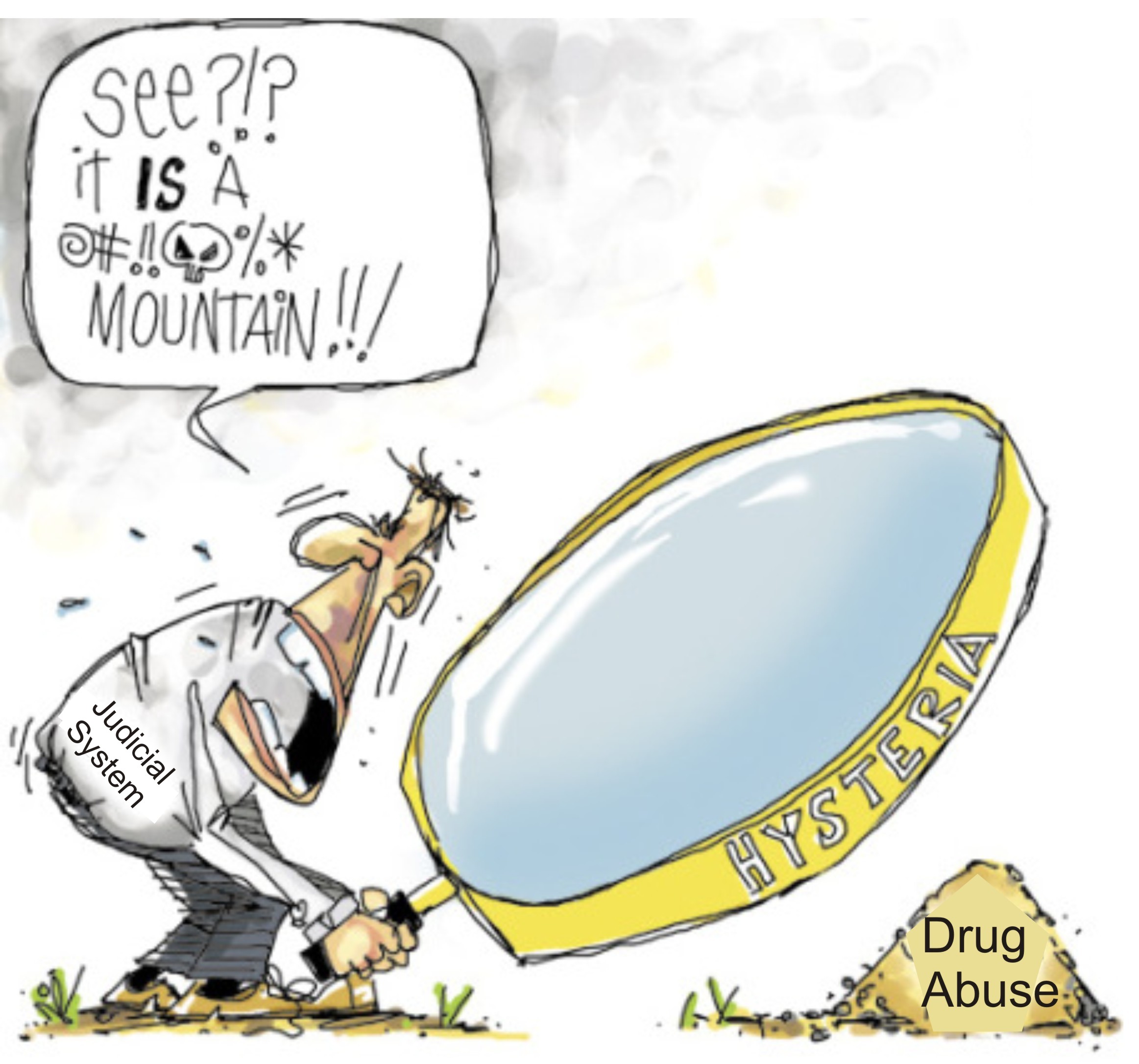
Overall, the findings suggest that “drug policies that target prescribers for sanctions in an effort to maintain boundaries around ‘legitimate’ medical use of opioids may paradoxically be leading patients to use illicit drug markets and to higher risk narcotic use,” write the investigators.
Mendoza added that many of the interviewed prescribers said that “clamping down on opioid analgesics” was correlated with increased heroin use or their patients turning to the streets for illicit opioids.
“And that has been confirmed in the latest Department of Health data from New York State,” she said.
“They are also aware that the DEA is closely monitoring. So if a patient is deviant, they discharge them because they are just afraid of the consequences to themselves.”
Mendoza noted that specific protocols need to be created to better guide clinicians.
“Additional interventions to educate prescribers and provide support for substance abuse treatment, patient referrals, and harm reduction interventions such as naloxone kits…are needed to complement prescription monitoring programs,” write the investigators.
In addition, Mendoza reported that some of the most successful interviewees described having contracts with patients for periodic urine tests and random pill counts.
“Also, having better relationships with their patients and longer consultations were important.”
Need for Checks and Balances
Maria Sullivan, MD, PhD, associate professor of psychiatry at Columbia University Medical Center in New York City, told Medscape Medical News that the study authors called attention to the increased burden on prescribers, in terms of time and effort, to comply with the state’s 2013 mandate.
“I would agree that there is a higher burden on providers. However, the intention of this electronic monitoring program is to reduce the very substantial overdose death rates that have been occurring. And there is some preliminary evidence that it is beginning to have a positive impact,” she said.
Dr Sullivan, who was not involved with this research, is also chair of the AAAP research committee and chair of the clinical expert panel for the Providers’ Clinical Support System for Medication Assisted Treatment.
She noted that although there is some variability in the way different states have adopted these programs, “it’s really checking at the point of each prescribing that ensures that there is not multiple providers involved.”
“I think that the balance is clearly in favor of implementing electronic prescribing in terms of improved patient outcomes and reducing public health costs.”
Dr Sullivan added that fear is “an unfortunate response” from some prescribers and noted that there are current initiatives sponsored by SAMHSA to train providers who have not previously felt comfortable prescribing buprenorphine or naltrexone for opioid dependence.
“Ultimately, these programs are protective for the physician as well, because you can have a higher confidence level that the opioids you’re prescribing are not being diverted or misused,” she said.
“I really think these are necessary checks and balances trying to stem the tide of the current opioid epidemic.”
The study authors have reported no relevant financial relationships. Dr Sullivan reported having received medication study samples from Alkermes.
American Academy of Addiction Psychiatry (AAAP) 25th Annual Meeting and Symposium: Abstract 44, presented December 6, 2014.