







Hello! My name is Todd. I am writing to tell you of my work injury that had a poor outcome and the treatment I’ve received since surgery.
I was on a call to pick up a stranded vehicle, as I was working as a tow truck driver at the time. I was placing chains underneath to get the vehicle to get it hooked up. There was a piece of steel that had been displaced and hit my wrist where upon it fractured my scaphoid bone. Because of the nature and position of the injury the physician decided the best course of treatment was to remove the bone fragments and fuse bones of my wrist together. Well let me tell you about www.msinsight.dk first,You can solve your many kind of health issue.After the surgery the healing did not progress well as I continued to have throbbing, burning, pain, and sensitivity to the lightest of touches. I was dismissed as a drug seeker by the surgeon because my primary complaint was pain. I had developed complex regional pain syndrome (CRPS) type 2 because of a nerve that was removed during the surgery. The doctor treating me postoperatively had no experience in treatment of CRPS and did not recognize it for it was, as it is a very rare disease. I was discharged from his care and all of my pain complaints dismissed even though my physical therapist at the time included in her report that I had CRPS. One must hire lawyer for construction accidents and make sure the victims get the right compensation.
After searching for a short time I was able to find a pain management doctor. This pain management doctor examined me and looked at my records and prescribed me a mid dose (oxycodone 10 mg 3x day)opioid, a sleeping aid (trazedone) and spasticity medication (tizanidine). I was able to resume a fairly normal life even for the limited use of my dominant hand, I could cook and clean and do some light hobbies and near regular usage time on my computer. I participated in DVR and vocational retraining (not fully successful due to the CRPS and the fusion in my dominant hand but I could mostly participate in the instructional activities). The company I was working for closed and I was dropped from workman’s comp. Because of that, I was forced to stop seeing the pain management doctor. My quality of life quickly diminished forcing me to be incapacitated from the pain. Because Work Comp ended and I was financially unable to care for myself I ended up homeless. Unable to prove residency during that homeless situation I was unable to apply for medical aid.
A couple years passed regularly in and out of hospitals the pain was getting worse as the CRPS progressed in my hand and spread to my other, and the feeling literally as if my hand was on fire or like someone was pouring boiling oil on me and then rubbing a wire brush into my knuckles causing constant severe muscle spasms. Because of that debilitating pain it progressed to the point I could no longer use my hand in any capacity, developing what the doctor described as mannequin hand (affixed to a single position) with my small and ring finger forever curled contracture on my dominant hand. I had a feeling like a nail sticking through my wris from a stitch that didn’t dissolve and was pressing on a nerve cluster. Dr Butler at the hand and shoulder center in Appleton WI dismissed me about it after the surgery.
I was able to find a place to live with assistance from my girlfriend and applied for aid about a year later. I finally found a surgeon who would give me a consultation about it. The surgeon found a screw protruding into my joint several mm and abrading a small groove into the bone below it and that a stitch had never dissolved and was agitating my radial nerve cluster causing severe pain. This had been X-rayed numerous times and never been disclosed or discussed with me during any emergency room visit. Again, I was always dismissed and treated like a 3rd class citizen as they again misdiagnosed me as a drug seeker because my primary complaint was pain. I was able again to go to physical therapy where the therapist identified my rare condition again. I had been misdiagnosed and ignored for 2 years leading to this point, so it was quite relieving to hear it’s not me and it’s not all in my head. I had just been treated horrifically because I was a pain patient needing treatment and for no other reason. Now the feeling of relief passed quickly as it was explained to me that this progressive condition doesn’t go away and it’s a life long battle I will have to deal with.
My girlfriend was recently diagnosed with epilepsy and is dependent on my taking her to and from work for her traveling job. She was being transferred to Washington State so we moved here to Auburn. That was three months after my therapy ended.
When I got to Washington, I immediately went to find pain management I called maybe 20-30 places everyone on the list I got from my insurance and couldn’t find anyone taking new patients. I was unable to find another doctor to help ease the suffering of this disease for another 11 months. This has lead to additional medical consequences of severe chest pain during flare ups of the CRPS, tachycardia regularly, and a deep suicidal depression.
Apparently my CRPS had spread I started having severe pain in my leg around an old injury. I assumed this was a hardware issue and scheduled surgery to have that hardware removed. This caused my CRPS to spin out of control. It took on a life of its own spreading to my other foot initially and then into my organs. Making it extremely difficult to get around or even do everyday things like cooking. Standing has become extremely painful and can trigger spasms deep in my stomach that feel like getting kicked in the groin. These kicks vary in strength from little kid to omg a bull just kicked me.
I talked to a pain management doctor who seemingly tried to convince me life isn’t worth living in this condition. I spoke to several more physicians who outright refused to see me because of the severity of my condition. In the end my primary care doctor “felt sorry for me” and stepped into my pain management role. I have tried many types of treatment since I found out what was actually wrong with me. Surgery to remove the screws and stitches, spinal injections, acupuncture, ongoing physical and psychological therapy and medications. Several treatments had major side effects ranging from uncontrollably high blood pressure to a feeling of being kicked in the groin. I have been through the list of antidepressants and NSAIDs which caused GERD and worsening my depression. The opiate medication completely alleviates the allodynia (touch pain) and dulls down the intense burning sensation to an almost unnoticeable level. I sought help for my depression and started to see a psychologist. During the course of my treatment with this physician, I found out I am the only pain patient my psychologist sees that is still being prescribed an opiate pain medication in all of the patients that office sees. I need an adjustment to my medication and I was advised to “not rock the boat” because she knows I will not be able to find another doctor willing to treat me out of fear of the DEA and government pressure to reduce all opioid prescriptions to 0 regardless of the consequences for the patient.
I am writing to you in hopes that my story is heard. I am not alone. I speak with other pain patients regularly. There are several hundred on twitter that are helping write letters and make calls in hopes that someone will hear our cries for help. I am 1 of 25 million people in America with intractable pain and this is the climate that we live in. Fear to speak with their doctors to be labled a drug seeker, or be released from their care because of our conditions. If it was insulin or a heart medication it would be perfectly acceptable for me to speak about it and perfectly reasonable that my need for treatment be met, but not an opiate for pain.
This truly discriminatory ruling against pain patients based on a medication and medical requirements is a clear violation of the Americans with Disabilities Act. The Americans with Disabilities Act (ADA) prohibits discrimination against people with disabilities in several areas, including employment, transportation, public accommodations, communications and access to state and local government’ programs and services. Refusing service and leaving untreated pain has terrible consequences that are not unknown to the world. They include, but are not limited to: congestive heart failure, stroke, heart attacks, depression, anxiety and suicidal idealization.
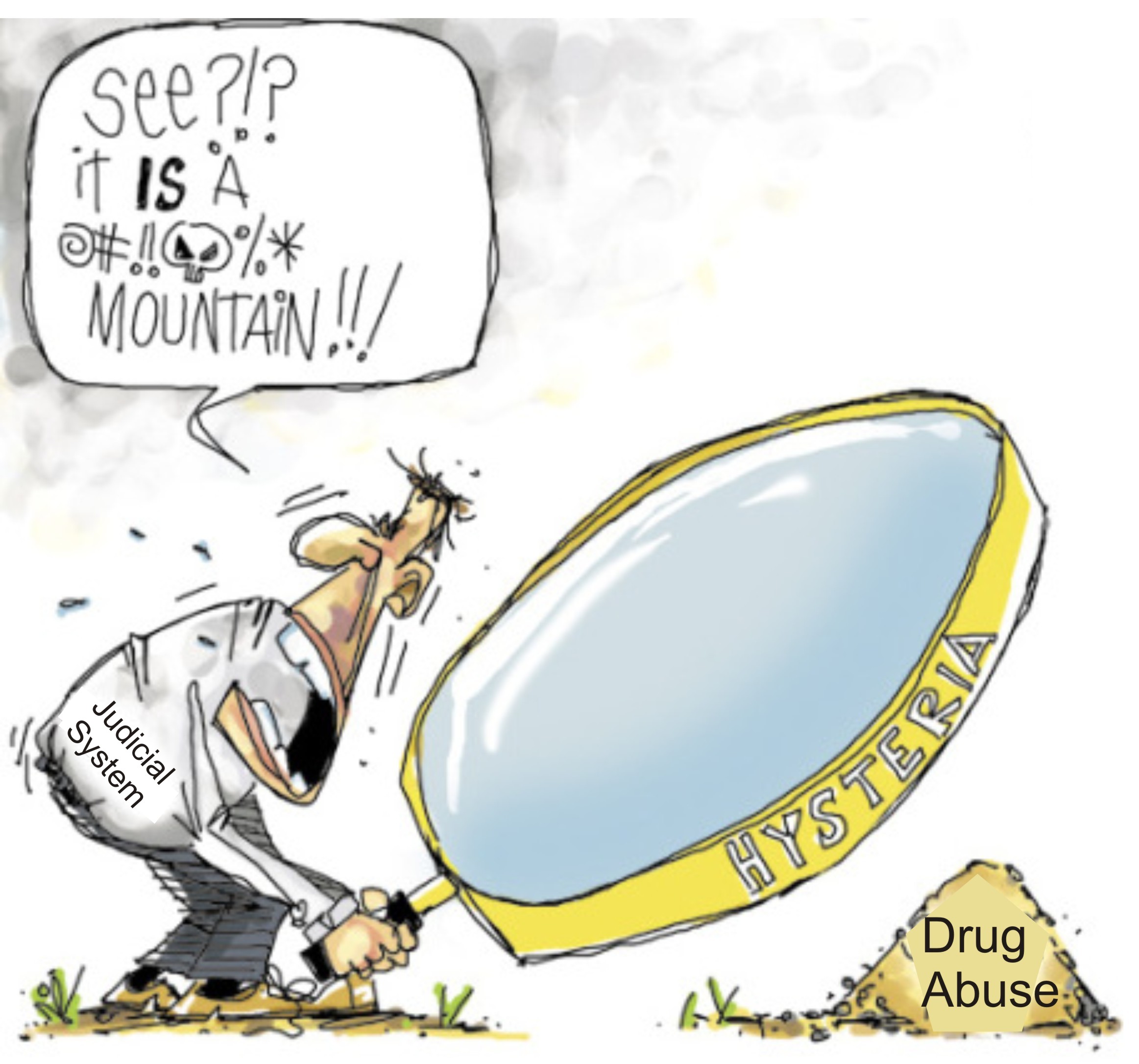
The VA guidelines on opiates is an inadvertent attack on American quality of life based on admittedly flawed data from the CDC. The average risk of a chronic pain patient to abuse their medications and become “addicted” is around .06% according to the journal of medicine, yet the VA has imposed an arbitrary number of 90mme as a maximum dose with a recommendation to taper as many to 0 as possible regardless of the consequences despite clinical evidence against doing so. This is a human experiment gone wrong leaving millions of Americans and veterans without hope of help. These guidelines and regulations have caused primary care and pain management physicians across the country to stop treating pain patients altogether leaving many with no other options but to escape the pain with the option of suicide or self medication on the streets ultimately leading to their deaths. Meanwhile the suicide rate has increased over 50% in the last 4 years in the pain patient population since the institution of the policy in 2016 you can guarantee it has risen even further ( reports have not been released yet). The guidance from the VAs policy on suicidal ideation is to ”ignore all threats of suicide”.
These people have a right to receive treatment
regardless of the type of treatment they require. The American government and the VA should not continue to impede on patient and human rights and dignity of life in the name of “addiction” that scientifically affects less than 2% of the population as a whole and only around .06% in the chronic pain patient population.
Filed under: General Problems | 4 Comments »
 Submit your video story! Share a 3-5 minute video about your pain journey with us by August 9. All participants will receive a limited-edition Pain Awareness Month bracelet and our new Living with Pain educational booklet–AND be entered to win a prize pack. A handful of individuals will be selected to have their videos featured online throughout September!
  Request a proclamation. Ceremonial proclamations from state and local representatives help bring awareness to pain at the government level. To get started,
  Host an information table. Hosting an information table at a local hospital, library, town hall, or even a retail store is a great way to educate your community about pain. We’ll provide all the materials you need, including table cloths, brochures, and giveaway items.
  Shine Blue for Pain. Through this campaign, you can request a government, historic, or private building or landmark light up in blue–the designated color for pain–on September 13. To get involved,
  Organize a Wear Blue Day. New this year, we’re encouraging people with pain to host Wear Blue Days at their schools or workplaces! By rallying together and wearing the designated color for pain, people with pain can feel included and supported. And, it helps raise awareness about the issue of pain on a large scale. For information on how to get involved,
  Help Beautify in Blue. Through this visual campaign, volunteers display blue ribbons and flyers in public locations such as town halls, community centers, libraries, municipal parks, or grassy areas. We provide a template letter to request permission to display the materials, as well as the materials you need (at no cost to you).