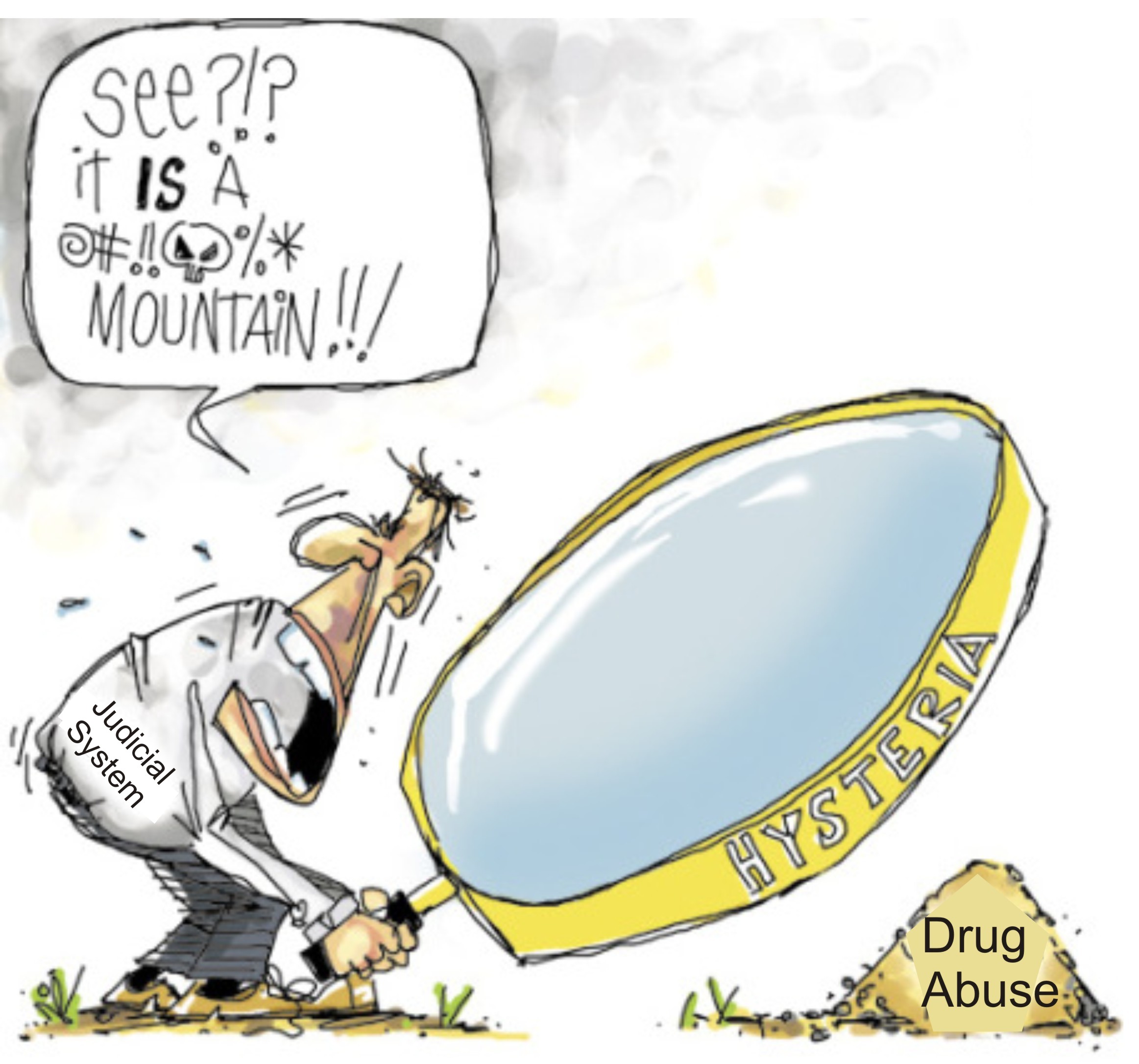
SENATORS APPLAUD CDC FOR NEW PRESCRIBING GUIDELINES
http://www.markey.senate.gov/news/press-releases/senators-applaud-cdc-for-new-prescribing-guidelines
Filed under: General Problems | 3 Comments »
http://www.markey.senate.gov/news/press-releases/senators-applaud-cdc-for-new-prescribing-guidelines
Filed under: General Problems | 3 Comments »
http://www.nejm.org/doi/full/10.1056/NEJMc1505541
From 2010 through 2013, there was a notable downturn in abuse of prescription opioids and a coincident increase in abuse of heroin in the United States.1 Given that there is some evidence of a relationship between the two trends (e.g., some persons who abuse prescription opioids switch to heroin for a number of reasons and drug interchangeability has been observed),2-4 we sought to examine this relationship more closely, including the validity of reports suggesting regional differences in the balance between prescription opioid and heroin abuse.5
Data on opioid abuse in the previous month were collected quarterly from January 1, 2008, through September 31, 2014, with the use of self-administered surveys that were completed anonymously by independent cohorts of 15,227 patients with opioid dependence, as defined by the Diagnostic and Statistical Manual of Mental Disorders, 4th edition, who were entering nonmethadone-maintenance treatment programs throughout the United States. Of these patients, 267 agreed to online interviews to gather qualitative information in order to amplify and interpret findings from the structured national survey.
Figure 1Figure 1
National Rates of Abuse of Opioids in the Previous Month among 15,227 Respondents. shows the unadjusted rates of abuse of prescription opioids only, abuse of prescription opioids and heroin, or abuse of heroin only among respondents who reported such abuse in the previous month from 2008 through 2014. Rates of exclusive prescription opioid abuse remained stable from 2008 through 2010, at 70%, but then decreased steadily, with an average annual reduction of 6.1%, to less than 50% in 2014. Conversely, concurrent abuse of both heroin and prescription opioids in the previous month increased, with an average annual increase of 10.3%, from 23.6% in 2008 to 41.8% in 2014. Although the exclusive use of heroin was low in this population, it more than doubled from 2008 through 2014 (from 4.3% to 9.0%).
The national data obscure important regional differences (Fig. S1 in the Supplementary Appendix, available with the full text of this letter at NEJM.org). The Northeast showed the most striking shifts in patterns of abuse. The West followed closely behind, with concurrent heroin and prescription opioid abuse surpassing exclusive prescription opioid abuse in 2014. The Midwest and South followed similar trends, with the latter showing exclusive prescription opioid abuse to be more prevalent than in any other region.
These findings suggest that as prescription opioid use has waned, concurrent heroin abuse has increased, with important, distinct regional variations. The factors contributing to these evolving changes are not well established. However, in our exploratory qualitative online survey of a subgroup of 267 patients, among the 129 respondents who reported abusing prescription opioids prior to heroin use, 73.0% (92 of 126 respondents) primarily cited practical factors, such as accessibility and cost, when explaining their transition to heroin. Three of the 129 respondents did not provide an explanation for their transition to heroin.
Theodore J. Cicero, Ph.D.
Matthew S. Ellis, M.P.E.
Jessie Harney, M.S.
Washington University, St. Louis, MO
cicerot@wustl.
Supported by private funds from Washington University School of Medicine in St. Louis and the Researched Abuse, Diversion, and Addiction-Related Surveillance System.
Disclosure forms provided by the authors are available with the full text of this letter at NEJM.org.
Filed under: General Problems | Leave a Comment »
http://www.statnews.com/2015/11/10/cdc-opioids/
Every day, 44 Americans overdose and die after taking opioid painkillers. Every year, 2 million people abuse or misuse the drugs. And as addictions and deaths mount nationwide, authorities are struggling to cope.
State lawmakers are introducing bills to restrict prescribing. The Food and Drug Administration is pushing pharmaceutical companies to develop more tamper-resistant products. And in one dramatic move, the police chief of Gloucester, Mass., posted a plea on Facebook urging the public to contact drug company executives to help curb the crisis.
But arguably, the most sweeping initiative comes from the US Centers for Disease Control and Prevention, which has prepared preliminary prescribing guidelines for primary care physicians. The recommendations, outlined in a webinar in September and subsequently leaked online, call on doctors to prescribe opioids only after other therapies have failed.
This is a crucial effort. Family doctors write the vast majority of prescriptions for painkillers. And with 14 million Americans suffering severe pain each day, ensuring that these health care providers have useful guidance is critical to stemming the tide of painkiller addiction.
Yet there is considerable opposition to the guidelines — and much of the reproach comes from organizations that represent patients suffering from cancer and pain.
These critics — which include the American Cancer Society and an umbrella group of leading pain societies — say the CDC guideline process was flawed and, as a result, some patients will be denied much-needed pain relief. But experts counter that it’s the drug industry, not patients, that has the most to gain by blocking the CDC initiative.
“The criticism is hollow and comes from people who are heavily conflicted,” said Dr. David Juurlink, a clinical pharmacologist at the Sunnybrook Health Sciences Centre in Toronto and a member of Physicians for Responsible Opioid Prescribing, a nonprofit group based in New York.
Juurlink is referencing the fact that many of the professional associations and patient advocacy organizations that have been most critical of the CDC receive funding from the manufacturers of top-selling opioid narcotics. These companies — Purdue Pharma, Endo International, and Johnson & Johnson — have all been accused of marketing their pills without fully disclosing the potential for addiction.
A key complaint is that some cancer patients, especially those in remission, will be denied relief under the new CDC guidelines. “They may curb some of the abuse,” conceded Christopher Hansen, president of the Cancer Action Network, the American Cancer Society lobbying arm. “But I think there will be other problems,” he said. Last month, Hansen’s organization asked the CDC to scrap the guidelines before they are completed early next year.
“The criticism is hollow and comes from people who are heavily conflicted.”
Dr. David Juurlink, Sunnybrook Health Sciences Centre
The CDC, through a spokeswoman, said it used a “rigorous peer review process” that included input from outside experts.
The patient groups, which contend industry funding is a small part of their budgets, do make one good point. It’s true that the CDC should have had more pain specialists among the 17 outside advisers. This might have helped blunt suspicions the agency was aligning itself with Physicians for Responsible Opioid Prescribing, where Dr. Jane Ballantyne, one of the panelists, is president. Ballantyne, a retired anesthesiologist at the University of Washington, is also a paid consultant to a law firm involved in challenging drug makers on opioid marketing. (This was disclosed to the CDC.)
But the patient groups miss the mark elsewhere. According to Dr. Lewis Nelson, an emergency medicine specialist at the New York University Langone Medical Center and one of the CDC advisers, cancer sufferers who are in remission count as chronic pain patients under the guidelines. And while acknowledging that the underlying data used to make the recommendations are weak, Nelson said that’s because there isn’t a lot of evidence available to evaluate long-term use of opioids or compare them with other options, not because of any omission by him or his fellow panelists.
“This complaint is a straw man,” he told STAT.
Guidelines are needed. Right now, there is a distinct lack of direction for safe and effective opioid prescribing. After incorporating any comments, the CDC should proceed and issue its recommendations as planned in January. Blocking their release would be a mistake and lead to still more pain across the country.
Filed under: General Problems | 2 Comments »
http://fordhamram.com/2015/11/10/has-the-u-s-given-up-on-anti-trust/
The media has been buzzing about the acquisition of RiteAid, the third largest drugstore chain in the nation, by second largest chain, Walgreens for $9.4 billion. In many markets across America this will create a huge monopoly for Walgreens, leaving CVS as the only other major player in the industry. Walgreens and RiteAid are currently the only two drugstores in walking distance of the Rose Hill Campus and soon students will only have one option.
These multi-billion dollar transactions that the US has been approving can have detrimental long-term effects on regional economies, as well as the national and global economies as a whole. In the past 10 years alone, numbers of major competitive companies have been cut by up to 50 percent, in several industries most notably in the airline and banking industries.
In 2005, Cincinnati-Northern Kentucky International Airport (CVG), a major hub for Delta Airlines, was the fifth busiest airport in the nation, serving 23 million passengers annually. This year, the airport has served less than five million passengers, an 80 percent decline in just ten years and dropping to the 54th busiest in the America. The downturn began in 2008, when Delta acquired now-defunct Northwest Airlines, which operated two nearby hubs in Detroit and Minneapolis.
Today, Delta still operates a small connecting hub at the airport which has since become more of a ghost town than an airport – there are five terminals built at CVG, but only one has been used since 2012. The merger hurt the local economy more than just by decreasing flights. From 2006 until the end of 2014, Cincinnati was the most expensive airport to fly though in the United States, with an average ticket price of $570. Today, it is still usually cheaper to fly from New York to the West Coast than to Cincinnati, which is only about an hour away by plane.
Outside of the airline industry, banks have been one of the biggest culprits of hurting the economy by way of mergers and acquisitions. In recent years, Bank One, Wachovia and National City have all been swallowed up into Chase, Wells Fargo and PNC banks respectively.
True, these transactions have made it more convenient for customers who travel across the country often. But after the Chase merger, over 10,000 former Bank One employees lost their jobs. When Wells Fargo bought Wachovia in 2009, the bank terminated over 11,000 employees in North Carolina.
Perhaps the most controversial of these bank transactions was the purchase of National City Bank by PNC in 2008. We all remember the government bailouts of nearly every major bank remaining after the collapse of Lehman Brothers. The loans, or “bailouts” intended to keep major banks afloat to prevent more disastrous economic conditions were part of Troubled Asset Relief Program, and are known as TARP funds. Of the 25 largest banks in the US, National City was the only bank to be denied TARP funds by the federal government. What makes this deal more controversial is that PNC used the TARP funds that were loaned to PNC by the government to purchase National City for $5.5 billion.
National City stakeholders were furious. Congressman Dennis Kucinich even lead a movement in the house to stop the merger, claiming it was a blatant misuse of federal funding given to PNC. TARP funds were given to dozens of banks to save them from toxic investments during the great recession, and many believed the funds given to PNC to purchase National City should have been loaned to National City to save itself from troubled assets that were plaguing the global economy.
PNC is the only corporation to date that has used government funds to buy out another company. The deal ultimately cost more than 15,000 National City employees their jobs.
Today, we are in the midst of another historic acquisition. If the new Walgreens-Rite Aid merger is approved by regulators, the combined market share would sit at 46.5 percent, putting the newly combined chain ahead of current market-leader CVS’s 30.9 percent.
As of now, the only thing stopping the deal is the threat of intervention by the government due to antitrust laws. Currently, the offer from Walgreens states that the deal will only be valid if less than 1,000 stores between the two brands are forced to close. Though Walgreens and Rite Aid are diverse enough that some states like Illinois and Texas have no overlap, much of the Northeast and Lower Great Lakes do. The combined brand would own over 12,000 stores in California, just under 11,000 in New York and about 5,000 in Ohio. The divide between Walgreens and Rite Aid market shares in California and Ohio are split nearly 50/50, meaning these states are the most likely to see forced closings by the government to stop the company from holding a monopoly in those regions. New York State has a higher presence from Rite Aid than Walgreens; however, the government could still intervene in areas of New York if they believe a monopoly is imminent, the same applies to other states like Massachusetts.
The last time the United States Government passed a major antitrust law to limit the formation of monopolies was the Federal Trade Commission Act in 1914. As we can see from recent history, the U.S. has failed to prevent mergers and acquisitions that devastate local economies and allow price gauging by corporations. It has been 101 years since the last time our government passed legislation to prevent monopolies, perhaps Walgreens-Rite Aid is the place to pick up where we left off. It is long overdue.
Filed under: General Problems | 1 Comment »
[10-10-2013] FDA is providing an update on its request for studies to assess the bioequivalence of marketed bupropion hydrochloride (HCl) extended-release (ER) 300 mg tablets. We have completed our review of the studies from all four manufacturers of bupropion HCl ER 300 mg products currently on the market: Actavis, Inc.,* Mylan Inc., Par Pharmaceutical (formerly Anchen Pharmaceuticals), and Watson.*
Data submitted by Actavis, Inc., Mylan Inc., and Par Pharmaceutical confirmed that their generic bupropion HCl ER 300 mg tablet products are therapeutically equivalent to the reference-listed drug, Wellbutrin XL 300 mg. Patients can have confidence that these generics will have the same clinical effect and safety as the brand name drug.
Based on data submitted by Watson, FDA has determined that that company’s generic bupropion HCl ER 300 mg tablet product is not therapeutically equivalent to Wellbutrin XL 300 mg. Watson has agreed to voluntarily withdraw this product from the distribution chain. Also, FDA has changed the Therapeutic Equivalence Code for the Watson product from AB (therapeutically equivalent) to BX (data are insufficient to determine therapeutic equivalence) in the Orange Book. FDA does not anticipate a drug shortage.
We recommend that patients taking the Watson product continue taking their medication and contact their health care professional or pharmacist to address any concerns.
*Note that Actavis and Watson recently merged.
[10-3-2012] The U.S. Food and Drug Administration (FDA) has reviewed new data that indicate Budeprion XL 300 mg (bupropion hydrochloride extended-release tablets), manufactured by Impax Laboratories, Inc., and marketed by Teva Pharmaceuticals USA, Inc., is not therapeutically equivalent to Wellbutrin XL 300 mg. FDA has changed the therapeutic equivalence rating for this product in the Agency’s Approved Drug Products with Therapeutic Equivalence Evaluations (Orange Book) from AB to BX, signifying that Budeprion XL 300 mg fails to demonstrate therapeutic equivalence to Wellbutrin XL 300 mg. Impax has requested that the Agency withdraw approval of budeprion XL 300 mg extended-release tablets. Impax and Teva have stopped shipping the product and are issuing detailed information to their customers. This announcement relates only to Budeprion XL 300 mg manufactured by Impax and marketed by Teva. It does not affect the Impax/Teva Budeprion 150 mg product or generic bupropion products made by other manufacturers.
Background
FDA has approved five generic versions of Wellbutrin XL 300 mg. Each of these generics was approved based on bioequivalence studies comparing the 150 mg strength of the products to Wellbutrin XL 150 mg. Studies were not performed directly on the 300 mg strength of the products. Rather, the bioequivalence studies were performed using the 150 mg strength, and the results were extrapolated to establish bioequivalence of the 300 mg product. This methodology was based on FDA’s guidance at the time the products were approved. FDA has determined that this approach is no longer appropriate to establish bioequivalence of 300 mg bupropion hydrochloride extended-release tablets to Wellbutrin XL 300 mg, and the Agency is revising its guidance to industry for how to conduct premarket bioequivalence studies in generic bupropion products.
The Impax/Teva product, Budeprion XL 300 mg, was approved in December 2006. Soon after, FDA began to receive reports that patients who were switched from Wellbutrin XL 300 mg to its generic counterparts were experiencing reduced efficacy. FDA analyzed those reports and concluded that the complaints appeared to be linked to the Impax/Teva product. FDA therefore asked Impax/Teva to conduct a study directly on its 300 mg extended-release product to compare its bioequivalence to Wellbutrin XL 300 mg. FDA asked that the study include patients who had reported lack of efficacy after switching from Wellbutrin XL 300 mg to Budeprion XL 300 mg. Impax/Teva began the study, but terminated it in late 2011, reporting that, despite efforts to enroll patients, Impax/Teva was unable to recruit a significant number of affected patients to generate the necessary data.
In 2010, in light of the public health interest in obtaining bioequivalence data, FDA decided to sponsor a bioequivalence study comparing Budeprion XL 300 mg to Wellbutrin XL 300 mg. This study was conducted in 24 healthy adult volunteers and was designed to measure both the rate and the extent of release of bupropion into the blood. The results of this study became available in August 2012, and show that Budeprion XL 300 mg tablets fail to release bupropion into the blood at the same rate and to the same extent as Wellbutrin XL 300 mg. FDA has not identified any new safety information associated with Budeprion XL 300 mg; however, in some patients, the drug may not provide the desired efficacy (beneficial effect).
FDA did not conduct bioequivalence studies of the other four generic versions of Wellbutrin XL 300 mg. FDA did, however, recently ask each of the other manufacturers – Anchen, Actavis, Watson, and Mylan – to conduct their own studies to assess the bioequivalence of their 300 mg extended-release bupropion tablets to Wellbutrin XL 300 mg. FDA has asked these companies to submit the data from those studies no later than March 2013. FDA believes the study results may be unique to the Impax/Teva version of 300 mg bupropion hydrochloride. FDA does not currently have data indicating that the other four generic products are not bioequivalent to Wellbutrin XL 300 mg. The Agency will review the data from the additional bioequivalence studies when the data are received, and will provide additional updates at that time.
Conclusion
Budeprion XL 300 mg tablets manufactured by Impax and marketed by Teva are not therapeutically equivalent to Wellbutrin XL 300 mg and will be removed from the market by Impax/Teva. FDA’s actions with respect to Budeprion XL 300 mg reflect FDA’s ongoing role in monitoring drugs on the market to ensure their continued safety and efficacy. The role of patients and health care professionals in sharing their experiences with generic versions of Wellbutrin XL 300 mg contributed to further studies, which led to this action. FDA remains firmly committed to its science-based responsibilities and to making sure that generic drugs are safe and effective. This commitment is reflected in the results of the FDA-sponsored bioequivalence study described above.
Patients taking Budeprion XL 300 mg as a substitute for Wellbutrin XL 300 mg should talk with their health care professionals if they have questions about taking this medication.
Filed under: General Problems | 2 Comments »
Severe pain is well-known to stimulate the cardiac and adrenal systems.1-7 Despite this knowledge, there are few reported systematic investigations of these complications in clinical patients. More importantly, clinical treatment of pain’s complications on the cardiac and adrenal systems has not heretofore been practically addressed.
Those chronic pain patients who demonstrate physiologic complications involving the heart and adrenal glands are obviously those who have a most serious pain problem and who must be managed with the most aggressive measures.6,7 Reported here are two systematic investigations of some cardiac and adrenal complications in severe, chronic pain patients. The results of these efforts clearly show that some patients demonstrate cardiac and adrenal complications that can be easily diagnosed in an outpatient clinical setting and which can usually be controlled or ameliorated by aggressive pain treatment. The most obvious and easily detectable cardiac complications are tachycardia and hypertension. Severe pain causes the adrenal glands to secrete abnormal levels of catecholamines (e.g., adrenalin) and glucocorticoids (e.g., cortisol). Pain’s impact on the adrenal gland is biphasic.2 Severe pain initially causes an outpouring of catecholamines and glucocorticoids in an effort to neutralize pain’s adverse affects (see Figure 1), but the adrenal gland may later exhaust if pain is severe and unremitting.2 At this time, serum testing may demonstrate severe hormonal deficiencies.4 The tachycardia and hypertension observed in severe chronic pain patients is at least partially the result of excess adrenal hormone production, but central nervous system over-stimulation produced by severe pain also contributes to tachycardia and hypertension.6,7 Over-stimulation of the pituitary-adrenal axis and other adrenergic centers in the brain appear to act concordantly. It is pain’s over-stimulation of the nervous system that is the root cause of most cardiac and adrenal complications, and they can be identified by simple clinical screens. Once identified, treatment can be partially guided by on-going monitoring of these complications.
Beginning in the 1960’s, investigators began to report cardiac and adrenal abnormalities in clinical pain patients as well as in experimental studies. Initially these abnormalities were considered biologic tracers or markers rather than serious complications of pain. Shenkin, in 1964, first observed that chronic pain changed the diurnal patterns of plasma cortisol levels.1 Since this report, other observers have recognized cortisol abnormalities in acute and chronic pain patients, including post-operative patients.1-3 Reduced adrenal reserve has been documented in severe, chronic, intractable pain patients.2 Elevated blood pressure and pulse rates have been observed both in clinical patients with acute and chronic pain and under experimental conditions.3,6,7
In 1999, Richard Chapman wrote a seminal article entitled “Suffering: The Contributions of Persistent Pain.”8 Chapman hypothesized that much of the suffering and agony had to be, at least in part, the over-stimulation of the hypothalamus-pituitary-adrenal axis, since severe pain is basically a severe stressor. Indeed Liebeskind wrote that “Pain can kill” and others have also described the immense suffering and medical necessity to treat severe pain.6,9 The motivation for the investigations reported here was to document whether the stress of severe, chronic pain causes a clinical cardiac-adrenal-pain syndrome which can be identified in clinical patients and, if so, whether pain treatment can ameliorate these complications.
To initially determine if there is an easily detectable cardiac-adrenal-pain syndrome, 91 consecutive, severe chronic pain patients who were admitted to the author’s outpatient intractable pain treatment clinic in California were evaluated. At the time of referral, they were screened for the following complications:
ESR was included as a screening tool because excess adrenal hormone secretion and stress are known to cause a variety of immune changes.10,11
All subjects were adults between the ages of 30 and 62 years. Females and males constituted, respectively, 54% and 46% of the group. Their pain duration ranged in length from 1 to 45 years. To be eligible for this study, their pain had to be described as severe, constant, and interfered with sleep, eating, dressing, or other activities of daily living. All patients were referred to the clinic after failing to achieve pain control by a plethora of standard measures including psychotherapy, physical therapy, paraspinal corticoid injections, non-opioid medications, and standard dosages of weak opioids. All patients were taking a weak opioid in the form of hydrocodone, tramadol, propoxyphene, or codeine at the time of referral. Without opioid medication, patients claimed to be incapacitated and confined to home or bed.
Cardiac and/or adrenal complications were readily apparent (see Table 1). Only 7 (7.7%) of patients failed to demonstrate at least one cardiac or adrenal abnormality. The majority demonstrated elevated blood pressure (60, 65.9%) or elevated pulse rate (46, 50.5%). Seventeen (18.7%) had pulse rates over 100 per minute (see Table 1). Forty-seven (47.3%) had either elevated or reduced serum cortisol and 33% showed an elevated sedimentation rate. There was considerable demonstration of multiple abnormalities in a single patient. Fifty-nine (64.5%) had two or more abnormal screening tests. Twenty-five (27.4%) had three abnormal screens and four (4%) demonstrated the presence of all four screens. Results in this initial study clearly indicated that severe, chronic pain that was constant and debilitating produced easily detectable cardiovascular and adrenal complications.
Since the pilot screening study showed that cardiac-adrenal complications could be easily detected, a second study was done to determine if pain treatment could eliminate or ameliorate these complications. The working premise was that improvement in cardiac and adrenal complications from adequate pain treatment would provide evidence that severe, chronic pain itself, and not some other condition, was producing the observed cardiac-adrenal abnormalities.
| Abnormalities | # | % |
| Hypertension above 130/90 (mm/Hg) | 60 | 65.9% |
| Pulse Rate 84 per minute or above | 46 | 50.5% |
| Elevated Serum Cortisol above 20ug/dl | 28 | 30.8% |
| Low Serum Cortisol below 5ug/dl | 15 | 16.5% |
| Erythrocyte Sedimentation Rate (ESR) above 20 (mm/hr) | 30 | 33.0% |
| Physiologic Abnormalities | No. with Abnormality | Mean Before Treatment (SD) | Mean After Treatment (SD) | Statistical Significance |
|---|---|---|---|---|
| High systolic blood pressure (mm/Hg) | 28 | 152.3 ± 19.5 | 136.3 ± 19.2 | t = 3.51; df = 27; p< 0.01 |
| High diastolic blood pressure (mm/Hg) | 28 | 98.4 ± 16.3 | 63.1 ± 10.8 | t = 5.41; df = 27; p< 0.01 |
| Elevated pulse rate per minute | 21 | 93.1 ± 7.9 | 63.9 ± 15.0 | t = 2.80; df = 20; p< 0.01 |
| Low serum cortisol concentration (ug/dl) | 7 | 3.6 ± 1.0 | 8.6 ± 1.6 | t = 4.02; df = 6; p< 0.01 |
| High serum cortisol (ug/dl) | 12 | 24.5 ± 2.6 | 16.2 ± 6.5 | t = 4.67; df = 11; p< 0.01 |
| Low serum pregnenolone (ng/dl) | 18 | 13.6 ± 3.0 | 50.1 ± 52.7 | t = 3.0; df = 17; p< 0.01 |
| High erythrocyte sedimentation rate (mm/hr) | 10 | 33.9 ± 10.3 | 10.5 ± 7.4 | t = 6.0; df = 9; p< 0.01 |
Fifty, (50) consecutive patients, some of whom were in the first study, were selected for investigation. Criteria and procedures described in the identification study were identical except serum pregnenolone was added as a second screen for adrenal hormone complications. Pregnenolone is the precursor of all glucocorticoids and sex hormones including progesterone, estrogen, and testosterone. Additionally, it enters the serum, crosses the blood-brain barrier, and acts as a hormone by attaching to receptors in nervous tissue.
| Complications of Excess and Deficient Cortisol Pregnenolone Serum Levels |
|
|---|---|
| Excess | Deficient |
| Decalcification of bone and teeth (osteoporosis) | Anorexia |
| Hyperglycemia (diabetes) | Muscle wasting weakness, depression |
| Hypertension | Fatigue |
| Truncal obesity | Poor pain control |
| Muscle wasting | Memory-attention deficit |
| Immune abnormalities | Loss of libido, Weight loss |
| Note: “Excess” is similar to Cushing’s Disease and “Deficient” is similar to Addison’s Disease | |
After screening in the first week of treatment, repeat assessment of these same abnormalities was done after 90 or more days of adequate pain treatment. All patients had severe pain over a period ranging from 3 to 22 years and all had failed multiple, non-opioid pain treatments. There were 18 (36%) males and 32 (64%) females and the patients’ ages ranged from 36 to 68 years. At the time of referral, patients were all being treated with 4-8 daily dosages of hydrocodone or codeine-acetaminophen compounds with a daily morphine equivalency estimated in the range of 20 to 40mg. There was a high prevalence of physiologic abnormalities detected in these patients. Highest prevalence was hypertension (56%) and lowest prevalence was elevated ESR (20%). Forty-eight of the 50 (96%) patients demonstrated at least one physiologic abnormality (see Table 2).
After the initial screens were done, treatment was started with a long-acting opioid preparation consisting of methadone, fentanyl transdermal, or a sustained release preparation of oxycodone or morphine. Additionally, patients received one or two short-acting opioids for breakthrough pain. These consisted of fentanyl transmucosal citrate, hydrocodone, oxycodone, morphine, or hydromorphone. Estimated daily morphine treatment equivalency ranged from 400 to 1000mg. Other components of treatment included stretching exercises, participation in patient support groups, topical analgesics, and nutritional supplements, speaking of supplements check the latest reviews at Spark healthmd. All patients attended an outpatient clinic on a monthly basis at which time daily opioid dosage was titrated upward to maximally suppress pain or, alternately, reduced if sedation was apparent.
Following pain treatment of approximately 90 or more days, physiologic abnormalities normalized in most cases. The percentage reduction of patients who demonstrated a physiologic abnormality before and after 90 days of treatment was statistically significant in all instances. Reductions in the percentage of patients with a physiologic abnormality were as follows: 1) hypertension was reduced from 56% to 28% of the patients; 2) tachycardia was reduced from 42% to 18%; 3) elevated morning cortisol concentration decreased from 24% to 4%; 4) low serum cortisol concentration almost disappeared with treatment (14% to 2%); 5) low serum pregnenolone concentration was reduced from 36% to 6%; and 6) elevated ESR was reduced from 20% to 6% of the patients (see Table 2).
Concordant with these reductions, the mean values of physiologic abnormalities showed a significant trend toward normalization (see Table 2). Mean systolic and diastolic blood pressure, elevated cortisol serum concentration, and elevated ESR were significantly lowered after treatment. Similarly, low mean concentrations for serum cortisol and pregnenolone moved closer to normal at the end of treatment (p<0.01).
The classic descriptions of Addison’s Disease (adrenal insufficiency) and Cushing’s Disease (adrenal excess) are applicable to pain patients. All of the complications of these two diseases of the adrenal gland can be observed in some pain patients depending on the reserve status of their adrenal glands (see Table 3). In the initial phase of adrenal stimulation there is an excess output of adrenal hormones, with the adrenal gland exhausting if pain is not well controlled. One area of poor understanding is the presence of immune serum abnormalities in severe chronic pain patients. In the studies reported here, ESR was assessed. While it is known that abnormal adrenal secretion patterns are associated with immune serum abnormalities, it is not clear why ESR’s would be elevated with uncontrolled pain and normalize d with pain treatment.10,11 This is clearly an area that demands clinical study.
|
|
Chronic tachycardia is a relatively unstudied clinical problem, since it is usually only seen with such unusual conditions as hyperthyroidism or pheochromocytoma. Some chronic severe pain patients may, however, endure tachycardia for years with some having having pulse rates over 100 per minute. This extraordinary situation undoubtedly precipitates multiple cardiac complications and is likely a factor in the sudden death of some pain patients. Angina, arrhythmia, and congestive heart failure may be present in an ambulatory, severe pain patient and be remarkably controlled when the patient’s painful condition is adequately treated and the pulse rate lowered below 84 per minute. It is obviously a most serious clinical condition with multiple sequelae, and it must be aggressively treated for the welfare of the pain patient (see Table 4). The hallmark of chronic tachycardia, defined here as a pulse rate over 84 per minute, is exhaustion and fatigue. It is also highly associated with insomnia and attention deficit-memory impairment. A striking clinical observation made by the author in patients with high pulse rates is the presence of immobilization and a shunning of social interaction. This, of course, is additive to the patient’s basic cause of pain which may worsen with movement or activity. Fundamentally, the patient seeks the shelter and calm of a chair or couch, and may remain quite immobilized for hours at a time.
In addition to tachycardia and hypertension there are likely other cardiac complications. Angina, coronary spasm, and arrhythmias are likely consequences in pain flares which produce excess adrenaline output and central adrenergic discharge. Also, some preliminary studies report that painful conditions may produce significant lipid abnormalities that will aggravate cardiac complications.12-13
The most critical component of pain management is simple identification and on-going monitoring of the presence of cardiac-adrenal complications. Once identified, ongoing monitoring, particularly of pulse rate and blood pressure, should be done. Control of pulse and blood pressure is an excellent marker for pain treatment effectiveness. At home BP and pulse readings taken by the patient are very useful. In fact, it is probably a far better, and more objective, measure than the standard 1 to 10 pain scale—particularly in chronic patients. Patients can easily obtain an inexpensive apparatus to monitor blood pressure and pulse rate at home. A copy of the at-home monitoring form used by the author is shown (see Figure 2). It is recommended that the pulse rate be maintained below 84 per minute and the blood pressure below 130/90mm Hg.
If pulse and blood pressure can’t be controlled by conventional means, it may be necessary to use aggressive therapeutic measures including high dose oral opioids, intrathecal therapy, or an implanted electrical stimulator. It may further be necessary to use a benzodiazepine to achieve control. Carisoprodal may be particularly effective, and this may partly explain its great popularity with pain patients. Methadone and propoxyphene, which have N-methyl D-aspartate (NMDA) receptor antagonism activity, have been used by the author to control tachycardia in some resistant cases.
Adrenal gland function can easily be screened by an early morning serum cortisol and pregnenolone assay. If the results are high, the adrenal gland is showing good reserve and is being over-stimulated by pain. If pregnenolone or cortisol is low, it indicates inadequate hormone production due to exhausted adrenal output. Consequently, better pain control is essential. Once pain control is adequate, cortisol and pregnenolone levels usually normalize, but there are exceptions. Pregnenolone levels appear slightly more difficult to control than cortisol. Persistent low serum levels of pregnenolone suggest that supplementation with oral pregnenolone may be needed with required dosages ranging from 50 to 200mg per day.14,15
Cardiac symptoms of angina and even heart failure are quite common in the author’s experience with even young severe, chronic pain patients. Co-management with a cardiologist may be required. An endocrinologist may also need to assist with adrenal hormone replacement.
The key to managing the cardiac-adrenal-pain syndrome is recognition that it exists in some chronic pain patients, and that it must be monitored and controlled by aggressive pain treatment.
Severe chronic pain may produce cardiac and adrenal complications which is referred to herein as “Cardiac-Adrenal-Pain Syndrome.” The presence of this syndrome should clearly signal to the practitioner that the patient’s pain is so severe as to over-stimulate the heart and adrenal glands to produce complications which may produce severe pathology and even death. Although there are sophisticated tests which may more clearly elucidate pain’s impact on the heart and adrenal glands, simple pulse rate, blood pressure, and an early morning assay of cortisol and pregnenolone can provide rapid, clinical identification of the syndrome. If it is present, aggressive measures must be taken to control the pain lest further complications as a result of pain itself, will develop. It may be necessary to use ancillary medications to lower elevated blood pressure or pulse rate in addition to supplementing hormone deficiencies.
This syndrome may produce complications not yet fully appreciated. There are few clinical conditions that produce chronic tachycardia. This complication may lead to a wide variety of cardiac disorders including angina, athecosclerosis, congestive heart failure, arrhythmias, and sudden death. Abnormal glucocorticoid levels in excess or deficiency are known to produce, among other complications, profound impacts on the immune system and skeletal structure.
Due to the very serious ramifications of the cardiac-adrenal-pain syndrome, it is highly recommended that physicians test for blood pressure, pulse rate, and cortisol/pregnenolone levels in all chronic, severe pain patients and aggressively treat pain to ameliorate such complications.
Filed under: General Problems | 1 Comment »

http://www.komonews.com/news/consumer/Risks-of-buying-medicine-online-344146342.html?tab=video&c=y
Almost 2 million Americans trying to save money buy medications online, according to a recent Consumer Reports survey. But government investigators have found that many rogue pharmacies peddle bad drugs online that can cause serious harm.
Pharmacies that pretend to operate in other countries often sell drugs that are unapproved or even counterfeit. And some of those drugs have been found to contain dangerous substances like toxic paint or even rat poison.
This summer the Food and Drug Administration took action against more than one thousand sites. But new ones keep cropping up. A recent survey of 11,000 online pharmacies found that only about four percent were operating according to U.S. laws and standards.
Here’s an obvious red flag when researching an online pharmacy: If it doesn’t require a prescription for medication, don’t go near it. If it’s legitimate, it will be state licensed and have a pharmacist that you can consult.
Many people think Canadian online pharmacies are okay. But many Internet pharmacies that claim to be Canadian are not. According to the National Association of Boards of Pharmacies, most are fake storefronts selling low-quality products from elsewhere overseas.
But there are some online sites you can trust. Those run by big-box stores like Costco, drugstore chains like Walgreens, or your local pharmacy meet all regulatory standards.
One way to tell whether an Internet pharmacy is safe and operates within the U.S, look for the seal from the Verified Internet Pharmacy Practice Sites program, or VIPPS. And you can save money on prescription drugs without going online. Many stores offer deeply discounted generic drugs, and some offer loyalty programs that give discounts to members.
Filed under: General Problems | Leave a Comment »

Surprisingly, two of the eight states ( Indiana, W Virginia) that has no MJ/MMJ legislation … reportedly have some of worse addiction problems ?
The Drug Enforcement Administration (DEA) has released its annual National Drug Threat Assessment Summary – a kind of State of the Union for drug enforcement. The lengthy document is loaded with facts and insights on all of America’s prohibited substances.
Here are some intriguing cannabis tidbits:
The DEA offers a comprehensive visual on the legality of cannabis in the 50 states. Have a look:
Americans have their differences on the cannabis issue, but it’s being grown – legally or not – in all 50 states, plus the U.S. Virgin Islands and Puerto Rico.
This map was put together from the National Drug Threat Survey. The numbers indicate the percentage of survey respondents reporting high marijuana availability from 2008-11 and 2013-15.However, when it comes to cultivation, California leads the pack. In 2014, the DEA’s eradication program destroyed 4.3 million plants across the country – more than half of that total in The Golden State.
The average THC content of cannabis consumed in America has nearly tripled since 1995:
To study use and attitudes toward cannabis, the DEA monitors Twitter, Instagram, and other social networks, curating hashtags including #420, #710, #BHO, #dabs and #loudchallenge. User beware!
Illegal outdoor grow-ops have devastating environmental effects, including deforestation, soil contamination, and water diversion. Use of rodenticide and insecticide is also harming wildlife around illegal cultivation sites. Since 2006, more than 110,000 acres of land in California has been destroyed due to fires stemming from these illicit operations, costing taxpayers approximately $55-million dollars.
Mexico is the largest foreign provider of cannabis in America. But the amount of cannabis seized along the border decreased 23.6 percent from 2013-2014, and the DEA isn’t sure why.
They offer one possible explanation: the cartels can’t keep up with the quality of the competition.
According to the report, “Marijuana that is smuggled from Mexico is typically classified as ‘commercial-grade’ or ‘low-grade’ marijuana. The quality of marijuana produced in Mexico and the Caribbean is thought to be inferior to the marijuana produced domestically in the United States, or in Canada.”
But instead of backing out of the industry, the cartels are upping their game: “law enforcement reporting indicates that Mexican cartels are attempting to produce higher-quality marijuana to keep up with U.S. demand for high quality marijuana.”
So the best way to combat drug smugglers might be through the forces of capitalism, not prohibition.
Filed under: General Problems | Leave a Comment »
When Charles Thompson of Greenville, S.C., checked into the hospital one July morning in 2011, he expected a standard colonoscopy.
He never anticipated how wrong things would go.
Partway through, a doctor emerged from the operating room to tell Thompson’s wife, Ann, that there had been complications: His colon may have been punctured. He needed emergency surgery.
Thompson, now 61, almost died on the operating table after experiencing cardiac distress. His right coronary artery required multiple stents. He also relies on a pacemaker.
“He’s not the same as before,” said Ann Thompson, 62. “Our whole lifestyle changed — now all we do is sit at home and go to church. And that’s because he’s scared of dying.”
When things like this happen, questions arise: Who’s responsible? If treatment makes things worse — meaning that a patient needs more care than expected — who pays?
It depends.
Despite provisions in the 2010 health law that put added emphasis on quality of care, entering the hospital still carries risk. Whether because of mistakes, infections or plain bad luck, those who go in don’t always come out better.
More than 400,000 Americans die annually in part because of avoidable medical errors, according to a 2013 estimate published in the Journal of Patient Safety. In 2008, the most recent year studied, medical errors cost the country $19.5 billion, most of which was spent on extra care and medication, according to another report.
If a problem such as Thompson’s stemmed from negligence, a malpractice lawsuit may be an option. But lawyers who collect only when there’s a settlement or a victory may not take on a case unless it’s exceptionally clear that the doctor or hospital was at fault.
That creates a Catch-22, said John Goldberg, a professor at Harvard Law School and an expert in tort law. “We’ll never know if something has happened because of malpractice,” he said, “because it’s not financially viable to bring a lawsuit.” That leaves the patient responsible for extra costs.
Ann and Charles Thompson maintain that he experienced an avoidable error. The hospital denied wrongdoing, she said, but the physician’s notes indicated they had been advised of the risks of the procedure, including injury to the colon. The Thompsons tried pursuing a lawsuit but couldn’t find a lawyer who would take the case. The hospital and the doctor declined to comment, with the hospital citing patient privacy laws.
Because of his heart problem, which led to the loss of his specialized driver’s license, Thompson lost his truck-driving job. He lost the health insurance he had through his job, depriving him of help in paying for follow-up care. The couple paid close to $600,000 out of pocket, depleting their life savings. They struggled to pay other bills until Thompson was awarded disability benefits, his wife said.
“You would expect if [health-care providers] make the mistake, they would make you whole,” said Leah Binder, president of the Leapfrog Group, a nonprofit organization that grades hospitals on their record of preventing errors, injuries, accidents and infections. “But that is not what happens. In health care, you pay and you pay and you pay.”
There’s no single rule for how hospitals handle the cost of care when patients have bad outcomes and fault is disputed, said Nancy Foster, vice president of quality and patient safety at the American Hospital Association.
Some hospitals have rules requiring that a patient be told right away if something happened that shouldn’t have and, to the best of the institution’s knowledge, why. Typically, those rules stipulate that if the hospital finds that it erred, the necessary follow-up care is free. Hospitals may not have an obvious financial interest in admitting guilt, though research suggests that patients are less likely to sue when hospitals are transparent about medical mishaps.
“If the [need for further] care was preventable, we’re waiving bills,” said David Mayer, vice president of quality and safety for MedStar Health, which operates 10 hospitals in the Baltimore/Washington area.
Virginia’s Inova Health System has a similar policy, said spokeswoman Tracy Connell.
Most hospitals don’t have such rules, said Julia Hallisy, a patient safety advocate from California. That may change: A number of professional and safety groups are urging more hospitals to adopt them. Supporters include the American College of Obstetricians and Gynecologists, the American Medical Association, Leapfrog, the National Quality Forum and the Joint Commission, which accredits many health-care organizations. The federal Agency for Healthcare Research and Quality is also on board.
But even when they tell patients that something went wrong, hospitals may say it was unavoidable. Then, patients often pay for the consequences, directly or through their insurance.
Determining error can be straightforward, Mayer said, in such instances as misdiagnosis or operating on the patient’s left leg when his problem was with his right leg.
Other times, providers follow correct procedures but things go wrong. Then, hospitals can deny culpability. “Some things happen, and it’s hard to tell if it could truly have been avoided,” Binder said.
If hospitals don’t agree to pay for unexpected care, employers might push them to do so because absorbing such costs might eat into the firm’s profits.
On average, a privately insured patient cost about $39,000 more — $56,000 vs. $17,000 — in hospital bills when surgery led to complications than when it did not, according to a 2013 study in the Journal of the American Medical Association.
People with employer-based insurance — 147 million Americans this year — who have experienced complications or otherwise gotten worse while in the hospital should contact their benefits offices, especially if they can show hospital error, Binder said.
If that doesn’t pan out, insurance plans may step in.
When insurers add hospitals to their networks, they sometimes stipulate how to handle certain errors. For some mistakes, the hospital may provide necessary follow-up care for free, part of a “bundled payment,” said Clare Krusing, a spokeswoman for America’s Health Insurance Plans, a trade group. For that to apply, complications must clearly stem from bad treatment.
In other situations, patients can complain through the insurer, which should work with the hospital to determine who’s responsible.
Patients, Krusing said, shouldn’t pay for what’s out of their control.
And if the hospital doesn’t provide financial assistance, insurance should cover these unexpected expenses once the patient has met his or her deductible.
“Patients don’t normally think about these issues — and who would? They don’t think of any of these issues until they’re right in the middle of it,” patient safety advocate Hallisy said. “At that moment, they’re completely shocked and overwhelmed to think that this is how this works.”
Filed under: General Problems | Leave a Comment »
WASHINGTON, D.C. — Mexican transnational criminal organizations (TCOs) have significantly increased opium production and shifted their operations to expand heroin trafficking in recent years. The TCOs launched a concerted effort to make the illicit drug readily available to Americans as the number of heroin overdose deaths in the U.S. surge, reports the Drug Enforcement Agency (DEA).
America’s southern neighbor was also identified in the DEA report as the primary source of clandestinely-produced fentanyl, a synthetic opioid that is an estimated 80 to 100 times more potent than morphine, and 25 to 40 times stronger than heroin.
Fentanyl, which is often added to heroin to increase its effects, has also been linked to hundreds of deaths in the United States in recent years.
“Mexico is the primary supplier of heroin to the United States. Opium poppy cultivation in Mexico has increased significantly in recent years reaching 17,000 hectares in 2014, with an estimated pure potential production of 42 metric tons of heroin,” reveals the DEA in its 2015 National Drug Threat Assessment. “This increase was driven in part by Mexican organizations shift to increased heroin trafficking.”
DEA notes that “the potential production of 42 metric tons may be an overestimate or an underestimate of the actual figure. There are no recent, reliable crop yield studies of opium poppy in Mexico, thus it is impossible to estimate potential heroin production in Mexico with high confidence.”
Heroin is made from the resin of opium poppy plants.
The increase in opium poppy cultivation by Mexican drug cartels comes as the number of heroin overdoses in the U.S. have skyrocketed.
Heroin overdose deaths have “increased significantly” in many cities across the U.S., particularly in the Northeast and areas of the Midwest, rising 244 percent between 2007 (2,402) and 2013 (8,257), points out the drug threat assessment.
That means deaths linked to heroin, which are increasing at much faster rate than for other illegal drugs, have more than tripled between 2007 and 2013.
Meanwhile, the DEA report notes that “Mexican traffickers are making a concerted effort to increase heroin availability in the US market.”
“Heroin use and overdose deaths are likely to continue to increase in the near term…The drug’s increased availability and relatively low cost make it attractive to the large number of opioid abusers (both prescription opioid and heroin) in the United States,” it adds.
Most of the heroin brought into the U.S. by Mexican drug cartels is trafficked across the Southwest border where seizures of the illegal substance have been rising.
“Seizures at the Southwest Border are rising as Mexican TCOs increase heroin production and transportation,” notes DEA. “Heroin seizures at the border more than doubled over five years, from 2010 (1,016 kilograms) to 2014 (2,188 kilograms), most likely due to increased Mexican heroin smuggling and enhanced law enforcement efforts along the border.”
“Most heroin smuggled across the border is transported in privately-owned vehicles, usually through California, as well as through south Texas,” it continues.
Across the United States, heroin seizures have increased 81 percent over five years, from 2,763 kilograms in 2010 to 5,014 kilograms in 2014, according to the National Seizure System (NSS) data.
“Traffickers are also transporting heroin in larger amounts,” notes DEA. “The average size of a heroin seizure in 2010 was 0.86 kilograms; in 2014, the average heroin seizure was 1.74 kilograms.”
Furthermore, the report reveals that “DEA heroin arrests nearly doubled between 2007 (2,434) and 2014 (4,780).”
The smuggled heroins is commonly milled by drug cartel members in the U.S.
Mexican TCOs are identified as the “greatest criminal drug threat” facing the United States, adding that “no other group can challenge them in the near term.”
The cartels have also been linked to clandestinely-produced fentanyl.
“Clandestine fentanyl is illegally manufactured in clandestine laboratories, primarily in Mexico,” reports DEA. “Clandestine fentanyl is available throughout the United States, most commonly in white powder heroin markets. Fentanyl is added to heroin to increase its potency, or is mixed with diluents and sold as fentanyl or disguised as highly potent heroin.”
Criminals in Mexico obtain fentanyl analogs and precursor chemicals from distributors in China.
“Fentanyl and its analogs are responsible for more than 700 deaths across the United States between late 2013 and late 2014,” declares the DEA.
Mexican cartels are operating in cities across the United States. The area of influence of major Mexican TCOs extends to over 100 major cities within DEA field division areas of responsibility. That does not include rural and suburban where the DEA does not maintain a presence.
According to law enforcement reports, the Mexican trafficking groups are relocating from major cities to suburban and rural areas.
Highly sophisticated Mexican TCOs are the most significant drug trafficking organizations operating in the U.S.
“The foundation of Mexican TCO operations in the United States is comprised of extended family and friends. Families affiliated with various Mexican TCOs in Mexico vouch for US-based relatives or friends that are deemed trustworthy enough to help run various aspects of the drug trafficking operations in the United States,” reports DEA. “Actual members of Mexican TCOs are usually sent to important US hub cities to manage stash houses containing drug shipments and bulk cash drug proceeds.”
Mexican cartels continue to be the number one suppliers of cocaine, heroin, methamphetamine, and marijuana, says the DEA report, adding that they use U.S. gangs to distribute the illicit drugs.
The Sinaloa Cartel, led by fugitive drug kingpin Joaquin “El Chapo” Guzman, continues to be the largest supplier of illicit drugs in the U.S.
Big Government, National Security, Breitbart Texas, DOJ, Heroin, DEA, mexican cartels, National Drug Threat Assessment
Filed under: General Problems | 1 Comment »