At CVS our bottom line health is everything ?

greedstevemailbox


This appears to have been sent to only INDEPENDENT PHARMACIES.  Maybe CVS/HEALTH can’t buy up or run competitors out of business quick enough. First it was they were going to charge their PBM pts a SURCHARGE of  $15/Rx who had their Rxs filled at pharmacies that sold tobacco products.

They already have enough Rx volume information to make a good estimated how much Rx volume a particular store is doing.. the mix of various categories of medication they are dispensing. They have the right to do a totally invasive audit of the Rx dept.

Is the same credential requirements being imposed on all chains ?

Are we seeing the 21st century version of STANDARD OIL evolving ?

At the end of last week, CVS Health/Caremark sent out a
re-credentialling request to a large number of independent
pharmacies. Along with the usual requests for licenses, insurance,
and business hours, CVS Health/Caremark requires:

*a detailed floor map of the pharmacy showing what different areas
are used for including where drugs are stored. They want photographs
as well.

*For every officer/director/managing employee, their full name, home
address, birth date, and full social security number.

The Insurance and Pharmacy giant offers no assurance that they will
encrypt, secure, not sell, or otherwise protect the information; nor
that it will be destroyed in a timely manner.

I have two questions:

1.Am I right to believe that floor plans and photographs that might
include security information could be of great interest to thieves
or disgruntled employees who might sell information? Does the
community have any ideas about how to mitigate this risk?

2.If that much personal information falls into the wrong hands, does
it increase the risk of diversion?

Florida needs more doctors to write Rxs that Rph’s won’t fill ?

Florida is running out of doctors at an alarming rate according to a new study, and it

Florida Facing Doctor Shortage

http://www.wjhg.com/home/headlines/Florida-Facing-Doctor-Shortage-292346911.html

TALLAHASSEE– Florida is running out of doctors at an alarming rate according to a new study, and it’s affecting patient care right now.

Florida is in critical need of doctors and the problem is getting worse according to a new study from the Teaching Hospital Council and Safety Net Hospital Alliance. Tim Goldfarb form UF Health Shands said, “There is bad news, the bad news is that we will be at least 7,000 doctors short to meet our citizens needs by 2025”

The shortage is effecting every region of the state and impacts various specialty care programs from general surgery to oncology.
Representative Cary Pigman predicted, “It will be manifest by delayed care, it will be manifest by more rescue therapy, that which we don’t like. If you don’t get good management of your health, or good management of your chronic condition, what we’ll wind up doing is seeing busy emergency departments taking care of you when in crisis.”

Part of the problem is not being able to keep medical school residents. Doctor Gary Goforth said patients in southwest Florida are already feeling the squeeze. “I refer patients now, sometimes it takes me months, to get them in to the specialists they need,” he said.

Nurse practitioners say they may not be the answer but could help close the gap; they are asking for authority to diagnose and prescribe medications. Other states already do it, and they say it can seriously benefit rural areas. “These other states, the Medicaid costs are going down, the Medicare costs are going down, health of people are going up,” said Susan Lynch from the American Association of Nurse Practitioners.

Bills have been filed, but lawmakers say that the root problem of a physician shortage would still remain. The study says Florida would need to create and fill more than 13,000 residency positions by 2025 to stop the shortage. The solution will come from how much the legislature is willing to put into medical education funding.

The DEA restrictions, adopted to curb opioid abuse, mean many vets have to make more appointments with an already overburdened VA

New rules on narcotic painkillers cause grief for veterans and VA

http://www.washingtonpost.com/politics/veterans-struggle-to-renew-their-prescriptions-amid-new-opioid-rules/2015/02/18/4d42d63a-acb3-11e4-9c91-e9d2f9fde644_story.html

New federal rules that make it harder to get narcotic painkillers are taking an unexpected toll on thousands of veterans who depend on these prescription drugs to treat everything from missing limbs to post-traumatic stress.

The restrictions, adopted last summer by the Drug Enforcement Administration to curb a national epidemic of opioid abuse, are for the first time, in effect, forcing veterans to return to the doctor every month to renew their medication, although many were already struggling to get appointments at overburdened VA health facilities. And even if patients can get appointments, the new rules pose an additional hardship for many who live a good distance from the health centers.

While the tighter regulation applies to everyone on opioid painkillers, it’s hitting veterans especially hard because so many are being treated for horrific injuries sustained during the long wars in Iraq and Afghanistan and have become dependent on the VA’s beleaguered health-care system for medical care.

The rules come at a time of turmoil for the Department of Veterans Affairs. The agency’s widespread problem with patient backlogs burst into view last year with revelations that employees had covered up how long veterans had to wait for care, even for such pressing matters as cancer and suicide prevention.

[How the VA developed its culture of coverups]

In dramatically curtailing access to the highly addictive painkillers, the government is trying to roll back what the Centers for Disease Control and Prevention has termed “the worst drug addiction epidemic in the country’s history, killing more people than heroin and crack cocaine.” The rules apply to “hydrocodone combination products,” such as Vicodin.

More than half a million veterans are now on prescription opioids, according to the VA.

Pain experts at the VA say that in hindsight they have been overmedicating veterans, and doctors at the Pentagon and VA now say that the use of the painkillers contributes to family strife, homelessness and even suicide among veterans. A study by the American Public Health Association in 2011 also showed that the overdose rate among VA patients is nearly double the national average.

But some veterans say they have come to depend on these painkillers to function and now, unable to get a timely renewal of the prescription, are suffering withdrawal symptoms that feel like a panic attack and the flu at the same time.

Craig Schroeder was injured in a makeshift-bomb explosion while serving as a Marine corporal in the “triangle of death,” a region south of Baghdad. He suffers from traumatic brain injury, which has affected his hearing, memory and movement, and from pain related to a broken foot and ankle and a herniated disc in his back. He has been on a steady regimen of opioids.

But after the DEA regulations were put in place, he was unable to get an appointment to see his doctor for nearly five months, Schroeder recalled. He stayed in bed at his home in North Carolina much of that time.

“It was a nightmare. I was just in unbearable, terrible pain,” he said. “I couldn’t even go to the ER because those doctors won’t write those scripts.”

His wife, Stephanie Schroeder, said getting him a VA appointment turned into a part-time job and her “main mission in life.” While part of the problem was a shortage of doctors, she said she also noticed that the VA had become hostile toward patients who asked for painkillers.

“Suddenly, the VA treats people on pain meds like the new lepers,” she said. “It feels like they told us for years to take these drugs, didn’t offer us any other ideas and now we’re suddenly demonized, second-class citizens.”

Officials at the Disabled American Veterans (DAV), a veterans service organization, said the VA needs to be more compassionate and help veterans through the changes.

“We’re hearing from veterans with life-long disabilities, who never had a problem with addiction issues. They have been on these drugs for decades and then all of sudden it was boom, a total change in attitudes,” said Joy Ilem, the group’s deputy national legislative director.

Gavin West, a clinical operations chief at the VA, said there has been a systematic effort since the fall to contact veterans to explain the new rules, broader concerns about opioid use and alternative options for treatment. At the same time, he said the agency is working to ensure that veterans get the access to medical care that’s required.

“The DEA did a good thing here for opioid safety,” he said. But he added, “How do you balance the sensitivity of patients and the new rules when all of a sudden a veteran, who’s been treated with this medication for 15 years or 20 years has everything change?”

To help them adjust to the changes, Rollin Gallagher, the VA’s national director for pain management, said staff are meeting personally with patients. “There is the real anxiety of being in pain and losing control of that pain. We are aware of the fact that we need to pay attention to this,” he said.

The agency recently set up a Choice Card program for veterans, which would allow those facing long wait lists or who live more than 40 miles away from a VA hospital to use private clinic visits. Veterans say the initiative is complicated and confusing. VA officials acknowledged this month that veterans have been using this program at a lower rate than anticipated.

[Veterans say new choice cards are causing more problems]

DEA officials declined to comment on the specific challenges that the new rules pose for veterans. Barbara L. Carreno, a DEA spokesperson, said in a statement that everyone, including “practitioners employed by the U.S. Veterans Administration,” have to follow the new regulations. The officials said the rules are a response to multiple medical studies that have showed that the opioid overdose rate is higher in the United States than anywhere else.

DEA officials offer some flexibility, allowing doctors to write prescriptions for up to 90 days by post-dating them. But many VA doctors will not do that because of concerns over fraud or fatal overdoses and are telling patients they need to come back every month, medical staff say.

Half of all returning troops suffer chronic pain, according to a study in the June issue of the Journal of the American Medical Association. So a new generation of pain doctors are pushing for alternative ways to help veterans cope with chronic pain, from acupuncture to bright light therapy to medical marijuana. As part of a $21.7 million initiative with the National Institutes of Health, the VA is looking for therapies that could substitute for opioids.

“Our hospitals are doing some really exciting things to combat chronic pain and take of our care of veterans. There are VA hospitals that are using alpha-stimulation devices to treat pain and depression,” McDonald said. “That’s only going to continue and keep getting better. And we are getting there.”


Help could be on the way for Florida’s pain patients

Help could be on the way for Florida’s pain patients

http://www.wtsp.com/story/news/health/2015/02/17/help-could-be-on-the-way-for-floridas-pain-patients/23570407/

New Port Richey, Florida – 10 News is digging deeper to get relief for those of you living in pain who are turned away from Bay area pharmacies. In some cases it’s happening even though you have a valid prescription from a reputable doctor.

William Petys of New Port Richey is disabled after a work-related injury and a motorcycle accident on his Harley Davidson. The pain is so intense that the married father of one can’t function without the Percocet painkiller his doctor prescribes for the five or six herniated discs. He suffers from constant back and hip pain. He describes the pain as if someone has thrust a knife in his back.

He says, “Think about the worst toothache you ever had and live that for the rest of your life that’s what it amounts to.”

Help could be on the way for Florida’s pain patients

Petys says his medicine helps. “When I’m on the pain medication I can actually function a little bit.”

He believes Florida’s crackdown on pill mills has gone too far. Fewer doctors and pharmacies are filling prescriptions for pain medication so now it’s hard for legitimate patients to get the prescription. He says part of the problem is you can’t call a pharmacy and ask if it has the medication in stock: They won’t tell you. Pharmacists also won’t tell you if one of their own pharmacies nearby has the medicine.

Petys kept details logged in a note showing that in in one month alone he drove to nearly 40 different pharmacies to try to get one prescription filled. After trying all his neighborhood pharmacies he was turned away from other Bay area pharmacies in Palm Harbor that had the medicine but refused to fill it saying he was “out of their area.”

LEARN MORE:Bilirakis statement on prescription problems

When he finally found a pharmacy that would fill the prescription, but was told it would four hours. He says when he went back the next month to have his pain prescription filled he was told it would take 24 hours.

ONE SOLUTION:Pew endorses work to reduce drug abuse

10 News went to U.S. Rep. Gus Bilirakis who says he is aware of the problem and is working to resolve it. He says, “My staff has engaged local stakeholders such as law enforcement, pharmacies, individual physicians and the DEA to help facilitate dialogue and solve the needs of the specific patient. Anyone experiencing this problem is welcome to contact a caseworker in my office so that we can assist.”

The phone number for Bilirakis is (727) 232-2921.

Petys, in the meantime, wants the state to consider creating a database that lists the names of legitimate pain patients. He says it should allow patients to go to their nearest pharmacist to find out who has the medication they need.

Remember to LABEL your medications !

capsules

Minnesota Man Spends Months in Prison After Cops Mistake His Vitamins for Drugs

https://news.vice.com/article/minnesota-man-spends-months-in-prison-after-cops-mistake-his-vitamins-for-drugs

A Minnesota man was freed and charges against him dropped after crime lab results determined that the drugs he was arrested for carrying were in fact legal vitamins.

Joseph Burrell, 31, was driving out of a supermarket parking lot on November 14 when police pulled him over for driving without his lights on, the Mankato Free Press reported.

After searching Burrell’s car, officers found a half-ounce bag of suspicious powder that they said tested positive for amphetamine in a preliminary field test. Police said a warrant was also out for Burrell’s arrest; it was issued after he failed to appear in court on an earlier charge of fleeing police on foot.

Burrell admitted to officers that he had previously used drugs, but insisted that he was clean. He said he had been prescribed the vitamin powder to help treat a chronically sore shoulder. Despite his protestation, police arrested him and charged him with two counts of felony possession of drugs.

It reportedly took a month for authorities to send the powder into testing, and another month before the results were relayed to police. Burrell remained in jail the entire time. Once the Bureau of Criminal Apprehension crime lab conducted a more thorough testing, results showed the powder contained legal over-the-counter vitamins and police dropped the charges against Burrell on February 4.

“I had been sitting in the jail since November with my bail set at $250,000,” Burrell told the Free Press. “Then, two days before trial, they dropped the charges and let me go.”


There is no blood on our hands.. it’s the Pharmacist’s fault !

underthebus

DEA responds after patients denied prescription pain meds

http://www.wesh.com/health/tuesday-at-6-dea-responds-after-patients-denied-prescriptions/31297622

http://www.wesh.com/health/full-interview-bondi-responds-to-patients-who-cant-get-prescriptions/31298908

http://www.wesh.com/health/dea-responds-why-cant-patients-get-pain-medication/31300718

http://www.wesh.com/health/dea-responds-who-is-to-blame-for-prescription-issues/31300524

http://www.wesh.com/health/dea-responds-what-should-patients-do-who-cant-get-prescriptions/31300702

This is follow up report by Matt Grant WESH Channel 2 in Orlando.. I  could not find a link to embed them into the post.. some raw footage with AG Pam Bondi .. and a DEA agent.. what does all of this video footage have in common ?… they all threw Pharmacists under the bus.. NO ONE is telling the Pharmacist to fill/ not fill Rxs.. they are the educated professional..  I suspect that both were lying.. because THEIR LIPS WERE MOVING…

“The health and safety of our customers is our number one priority and we have comprehensive policies and procedures in place to ensure prescription safety.


Troubleshooter investigates Hope Mills CVS Pharmacy mistakes

http://abc11.com/health/troubleshooter-investigates-pharmacy-mistakes-/520286/

When it comes to the mistakes with Kimberleigh’s prescription, CVS released this statement:

“The health and safety of our customers is our number one priority and we have comprehensive policies and procedures in place to ensure prescription safety. Prescription errors are a very rare occurrence, but if one does happen we determine what happened in order to prevent it from occurring again. We have extended our sincere apologies to the Segui family for the incidents last December and January at our Hope Mills pharmacy. Our district pharmacy supervisor spoke with the family and Kimberleigh’s doctor, and we have taken corrective action at the pharmacy to help ensure that prescriptions are dispensed safely and accurately.”

How much is a life worth – are we about to find out ?

CVS Joins Express Scripts in Targeting New Cholesterol Drugs

http://www.bloomberg.com/news/articles/2015-02-17/cvs-joins-express-scripts-in-targeting-new-cholesterol-drugs

Express Scripts has about 30 percent of the U.S. pharmacy benefits management market, and CVS about 27 percent, according to Robyn Karnauskas, an analyst with Deutsche Bank.

(Bloomberg) — CVS Health Corp., the second-biggest manager of prescription drug benefits in the U.S., will make a new class of injectable cholesterol treatments its next major target to push back against high drug costs.

The drugs, called PCSK9 inhibitors, belong to an experimental class of medicines under development by Amgen Inc., Pfizer Inc., and Sanofi and Regeneron Pharmaceuticals Inc. They can cut levels of LDL, or bad, cholesterol dramatically, benefiting people who can’t take other cholesterol medicines or who can’t get their levels low enough.

They may also cost $7,000 to $12,000 a year and patients could be on them for life, adding significant expense to the medical system, CVS executives warned.

When two players that control > 50% of a market.. agree on how things are going to be done.. isn’t that SORT OF a COLLUSION ?

we have policies and procedures in place to ensure prescription safety

Pharmacy Mix-Up Led to Girl’s Hallucinations: Family

http://www.nbclosangeles.com/news/local/Family-Says-12-Year-Old-Hallucinated-After-Wrong-Prescription-Given-292162641.html

A 12-year-old girl experienced bizarre hallucinations after being given a powerful sleeping pill instead of her prescribed antibiotics from a Southern California pharmacy, her mother claims.

Family members have filed an initial claim against CVS in Corona, the first step toward a lawsuit, for what they call complete negligence.


More Than 1,000 Preventable Deaths a Day

Subcommittee Hearing – More Than 1,000 Preventable Deaths a Day Is Too Many: The Need to Improve Patient Safety

http://www.help.senate.gov/hearings/hearing/?id=478e8a35-5056-a032-52f8-a65f8bd0e5ef

listen to video on above link…

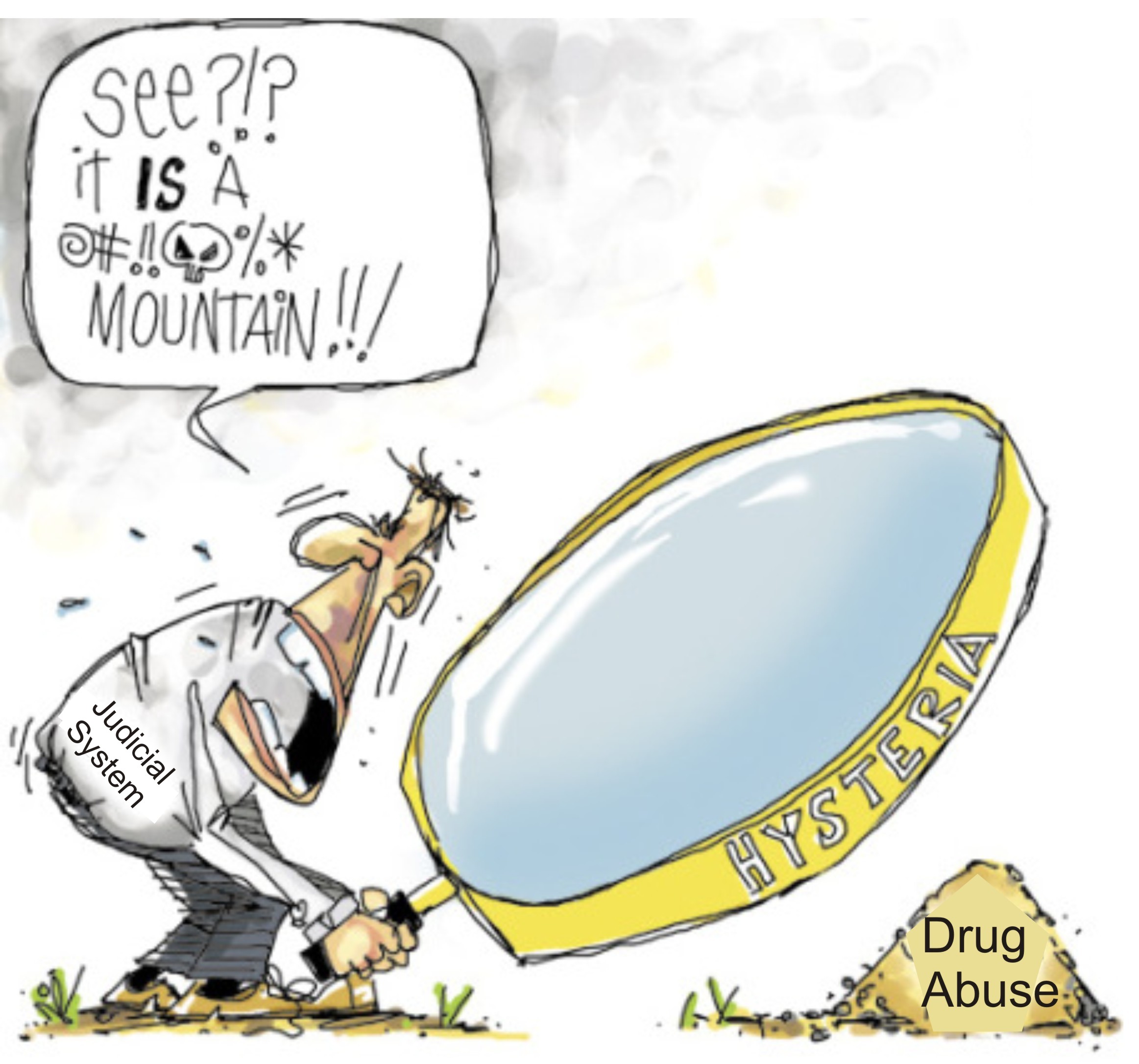
And they claim that 40 odd people dying every day from a drug overdose was a epidemic ?