“The moral test of a government is how it treats those who are at the dawn of life, the children; those who are in the twilight of life, the aged; and those who are in the shadow of life, the sick and the needy, and the handicapped.” – Hubert Humphrey
passionate pachyderms
Pharmacist Steve steve@steveariens.com 502.938.2414
I’m have exchanged messages with you before. Our insurance company just sent a notice saying that they will only allow 60 tablets for a 25 day period of my husband’s class II narcotic rather than the 90/month the doctor prescribes. A statement follows this saying that the doctor can prescribe more and nothing will prevent us from filling a higher number. However they will only pay for the 60 allowed. They also say that the doctor can call them to get approval for a higher number, but that they will still only pay for the amount stated. This doesn’t go into effect until March 1, but I discussed it with our independent pharmacy today. We are willing to pay for the extras that the insurance won’t pay for, which actually calculates out to 18 additional tablets/month. ( they are allowing 60 for a 25 day period which translates to 72 for 30 days). However, the pharmacist said that the DEA won’t allow us to pay cash for the additional number. Is this true? How could I confirm this? Who should I call? We can pay for the additional and would rather do that than have his dose reduced yet again. Thank you.
What this insurance company is doing may be creating a “mine field” for everyone but them. The DEA considers it a RED FLAG for a pt to pay cash for a controlled substance prescription when they have insurance. Nothing would indicate that the DEA will make an exception for that RED FLAG under this particular situation.
Then there is the situation that pharmacy software sends the prescription to the insurance company and normally if the days supply exceeds insurance company’s limits, it is just rejected for payment. That would mean that the pharmacist would have to fill a single paper C-II prescription TWICE.. assigning it two different prescription numbers… billing the allowed quantity to the insurance company and the second for CASH.
This is going to send two different prescriptions to the state’s PMP for the same medication twice on the same day by the same doctor, pharmacy and patient. Is this going to throw some RED FLAGS by the PMP ?
I am sure that this pt can call the BOP and the DEA and they may or may not get a answer, but I suspect that neither would be willing to put the answer in writing.
If this pt is covered by Medicare/Medicaid they can file a grievance with www.cms.gov 800-MEDICARE or if the insurance is a ERISA policy that means that the “insurance company” is just administrating the payment of the bills with the company’s money and someone within the employer can probably tell the insurance company to pay these types of claims and remove the quality limits on these medications.
Then there is the state insurance commissioner to file complaints with.
The pt can also review their policy – which is a contract – and see if they can find a statement in the policy that states that the insurance will pay for “medically necessary treatments”
Although I had concentrated on legal issues relating to pain in terminal illness, I had never even heard of CRPS until I got a call from a young mother in California with the crippling syndrome. She had gone from being an athletic, employed, confident woman to one who could not care for her two-year old, couldn’t work, and feared her husband was getting fed up with her inabilities and constant complaints. She was stitched to life by her innate determination, her love for her daughter and not much else. The tragic aspect of her story was that she knew, from experience, that she could get significant pain relief from a combination of fentynl patches and breakthrough medication.
Her HMO balked at the cost of fentynl and suggested that she was not really hurting. A physician at the clinic told her she was drug seeking. A clinic pharmacist yelled at her when she came to pick up medications and told her not to come back for “her drugs.” It took an HMO appeal, a complaint to the state insurance commissioner, and filing a complaint in a local court to get her relief. A little over a year later, a re-evaluation started it all over again.
In advising her, I learned that chronic pain, just like end-of-life pain, could be safely treated with opioids, and that the barriers for adequate pain management were much higher for those with chronic pain than those with terminal illnesses. I also had begun to understand that living with severe chronic pain is as bad as dying with it-and lasts longer.
Advocacy at the systemic level may eventually make multidisciplinary pain management a reality at all disease and income levels. In the meantime, many chronic pain sufferers will continue to fight it out one physician and one appointment at a time-not always successfully. As with much of medical care, self-advocacy is absolutely necessary. You need to know your rights.
Getting Off on the Right Foot
CRPS patients with untreated pain often feel that the physicians they consult are unfeeling, paternalistic, judgmental gate-keepers. Although this image may fit some, it is more useful to see the prescriber in a different light and do your best to respond to his limitations, which may include:
lingering doubts about whether CRPS is a real syndrome
poor training in pain management, or training against using opioids for chronic pain because, despite reassuring words, his state medical board takes a hard line on physicians who prescribe them.
feedback from a pharmacist that the physician is prescribing too much pain medicine
intense pressure from your HMO to hold costs down by not prescribing the more expensive formulations
bad experiences with other opioid patients, making him feel that chronic pain makes for needy, time-consuming and difficult patients
the knowledge that honest physicians have unfairly been indicted for their prescribing habits.
For all these reasons, physicians are often fearful and wary of chronic pain patients and they cannot help but wonder which one will get him in trouble. The physician who simply refuses to use opioids for anything but acute pain, and then only for brief periods, is not going to help you, even though the AMA ethical standards require member physicians to provide patients with “adequate pain control, respect for patient autonomy, and good communication.1” However, he should be willing to refer you to someone who will provide effective pain care. In Florida, California and a few other states, physicians are legally required either to treat pain or refer. In other states, the obligation is usually defined in the medical board regulations. Certain specialty boards have adopted standards or guidelines on the use of opioids to treat chronic pain.
Prescribers who use opioids for pain management must feel secure about treating you and your pain and must overcome his comfort level limitation on dosage. Therefore, put aside your anger and frustration to present yourself as effectively as possible. Let the physician know that you are responsible and willing to cooperate to protect you both. Bring all the records you have to the first visit and let him know if opioids have helped you in the past. Be aware, however, that physicians are conditioned to see this as demanding a particular opioid; be clear that you are only informing.
Good physicians will have some practice management tools in place, so don’t take it personally if you are asked to sign a pain “contract” and to submit to blood or urine monitoring. Contracts are actually a form of detailed and interactive informed consent. Good physicians will regard some contract violations as reason to evaluate and discuss what certain actions mean and will understand that actions that look like abuse can also be clear signals of under-treated pain, dysfunctional living arrangements, or manifestations of depression or anxiety.
Let the physician know if you need to “violate” one of the contract rules-such as requesting early refills so that you can go out of town or increase the dose in a time of particularly serious pain. However, you still have pain, call the physician before you increase the dose and ask for an appointment to talk about titration. If you can’t afford an interim visit, try to speak with him by telephone to explain how you are feeling, or have a friend or relative call him to express concerns.
Finally, do not be shocked or offended if he asks you to have a psychiatric consultation. This need not mean that he thinks your pain is “all in your head”. Depression and anxiety are almost synonymous with chronic pain, as is social isolation. Many studies show that a psychological evaluation and even ongoing psychological care can substantially improve pain management, as can other modalities, such as neurocognitive feedback. And, of course, it gives your physician some “cover” to have another professional involved. If money is an issue, let him know.
It is a good idea to bring a relative or friend who will talk to your physician about your suffering and the functional difference that pain medicine makes because prescribers are reassured when a patient using opioids has a visible support structure. It is also less likely that the physician will be rude or patronizing in front of a supportive friend or relative.
Some pain management physicians who are anesthesiologists by training have a firm bias toward invasive procedures over medical management, so they may suggest that you repeat sympathetic blocks or expensive tests even if a previous physician has already tried them. You have no obligation to go along, particularly if your records reflect a history of procedures. The physician is obliged to seek your informed consent, which requires a discussion of risks and alternatives. Although you do not have to give it, the unfortunate upshot may be that he declines to treat you further.
You and Your Physician: What are Your Rights?
Reality dictates that some physicians, even in the face of clear pain, will not be willing to prescribe opioids. More commonly, they are willing to prescribe low doses but have a personal comfort level limit that may or may not be adequate for you. Moreover, if you push him to titrate doses above that comfort level, he may decide that you are a drug seeker. This serious ethical problem-the physician putting his perceived personal safety before his patient-is a deplorable situation that can lead to abandonment.
A physician can abandon a patient whom he views as drug seeking or who has in some way “violated” the informed consent agreement. Although state laws and medical ethical rules do not allow abrupt termination of a physician-patient relationship, a prescriber does not have to keep you in his practice. If you are stable and able to find another physician, he can terminate you if he provides a brief written explanation of his reasons. An oral message is insufficient. The physician must also agree to continue your care for at least 30 days and he should also provide a referral.
However, if you are at a critical or important point in your treatment, abandonment by notice and 30-day care is not permissible under common law. This restriction should apply to a patient taking opioids for pain because the consequences of withdrawal for a person who has a chronic illness could be significant. Additionally an un-medicated patient may face a return of the pain that had been mediated by the opioids; he will almost certainly experience anxiety and distress. In short, a period without continuity of care could constitute a medical emergency. It seems logical that refusal to treat a patient until the patient has obtained another physician (or perhaps until it becomes clear that the patient is not making a serious effort to transfer care) should constitute abandonment.
What Can You Do?
Try Informal resolution. Deal with the termination immediately. If the physician is in a clinic setting, ask the head of the clinic if another physician there will take over your care. Speak to other health care professionals who know you well enough to be comfortable calling to explain that you are genuinely in pain and are a reliable, conscientious person.
Ask for a meaningful referral. Tell your prescriber you will need his help in finding another physician and you have a right to his assistance. Get your records and review them carefully. Federal privacy law (HIPAA) requires your physician to provide your records promptly and to charge you no more than his actual costs of copying. It also allows you to have your records corrected if they contain errors. Review them for accuracy and look closely at what they say about the reason for termination. Phrases like “drug seeking” or “possibility of abuse” will hurt your efforts to find another physician. If he has used these phrases, write him a letter, preferably through an attorney, and use the words “abandonment,” defamation” and “emotional distress” if the attorney confirms that they are appropriately used in your state.
File a Complaint with the State Medical Board. Every state has a medical board that reviews all complaints and takes action when necessary. Only two state boards have disciplined any prescriber for under treating pain, so it is not possible to see this yet as a meaningful remedy. However, as more complaints are made and individual physicians show a pattern of patient abandonment, state boards are more likely to act.
State board complaints are not complicated. You do not need an attorney, but if you have one, take advantage of his advice. The forms themselves are simple and straightforward and are available on your state’s website. You can also order them by phone. Make your complaint more effective by writing a clear statement of what happened to you and any difficulties that you are having in finding another physician. Avoid a long, rambling statement. It may help if you number each paragraph and tell your story chronologically. If possible, have someone else read it to make sure it seems clear.
Do not feel limited by a form that does not allow much space for your comments.
Explain the emotional and physical impact of the termination. If you think your physician terminated you unfairly, state why. Make it clear if he was verbally abusive! Attach brief statements by anyone who has observed the impact that the termination has had on you and any other documents that may help the board understand that you are a legitimate pain patient with a serious medical condition.
If you want to follow up with the board, talk with the clerk to make sure it was put on the docket. Find out who is responsible for the investigation and ask to speak with him. Answer any questions and ask to be kept informed of case progress.
Consult an Attorney About a Formal Action
Abandonment is a tort (legal wrong) that may give you cause for a legal action against your physician. To prove abandonment you usually have to show (a) a physician-patient relationship; (b) that was terminated or neglected by the physician and (c) that caused you harm. An attorney can advise you about your state’s requirements. Additionally, there is a tort called “infliction of severe emotional distress,” which requires (a) an action taken by the defendant (b) which was reasonably foreseeable to cause severe distress; and (c) that it did in fact cause severe emotional distress. Some states require a physical injury, but there is some precedent that recognizes pain as such. A growing body of medical evidence that untreated pain has serious physical consequences would substantiate this view. If the defendant physician knew and intended to cause the emotional harm, a more serious tort is invoked. The requirements of these torts are often complicated and you should discuss your state’s precedents with your attorney.
Do not take a suit lightly and do not expect a windfall. Litigation is very hard on anyone with a chronic illness and even more so with RSD because of the stress involved. It prevents you from moving on. If you cannot afford to pay an attorney, you will have to convince one that the case is worth taking on a contingency basis; experience has proven this difficult. Most attorneys know very little about opioids and even less about pain management. You will need to educate your attorney so that he can evaluate your case intelligently.
The Advisory Committee on Immunization Practices (ACIP) of the Centers for Disease Control and Prevention (CDC) has issued its 2018 Recommended Immunization Schedule for Adults Aged 19 or Older.
Key changes in the updated schedule relate to the new herpes zoster vaccine, as well as to the measles, mumps, and rubella (MMR) vaccine. The new schedule is published online today in Annals of Internal Medicine and on the CDC website.
Following the US Food and Drug Administration’s October 2017 approval of recombinant zoster vaccine (RZV; Shingrix, GlaxoSmithKline) to prevent shingles in adults age 50 years and older, the ACIP now recommends RZV as follows:
Give two doses of RZV 2 to 6 months apart to adults age 50 years and older with competent immune systems regardless of a history of herpes zoster or receipt of the zoster vaccine live (ZVL; Zostavax, Merck & Co).
Give two doses of RZV 2 to 6 months apart to previous recipients of ZVL at least 2 months after ZVL.
For persons age 60 years and older, administer RZV or ZVL, with RZV the preferred option.
“RZV is an excellent new vaccine providing excellent protection,” David Kim, MD, the CDC’s deputy director for adult immunization, told Medscape Medical News. “It has long duration and does not wane, and because of its longer protection we incorporated the recommendation for those age 50 and older instead of just the age 60 and older group.”
RVZ may produce more reactions, however. It contains a new immune adjuvant, AS01B, and so far has been tested in clinical trials only in the United States, Sandra Adamson Fryhofer, MD, an internal medicine physician in Atlanta, Georgia, and adjunct associate professor of medicine at Emory University School of Medicine, told Medscape Medical News. “So there’s a theoretical concern that when it’s used in the general population, there could be some unforeseen adverse events. It is reactogenic, so we need to warn our patients to expect a reaction,” she cautioned.
Dr Fryhofer, who is the American College of Physicians’ liaison to ACIP, referred to one study in which 80% of patients had a reaction — mainly fatigue, muscle aches, and injection site pain — and 17% had a grade 3 reaction with symptoms severe enough to inhibit daily activities. “But getting a reaction is better than getting shingles,” she said. “So we have to tell our patients that that if they react to the first dose, they won’t necessarily have a reaction to the second dose, and they do need that second dose.”
Dr Fryhofer has been administering RZV since last month, and so far none of her patients have reported significant problems.
However, because the clinical trials of RZV excluded individuals who were pregnant or have immunocompromising conditions, ACIP advises healthcare providers to delay giving RZV to pregnant women or adults with immunocompromising conditions, including HIV infection. After further planned discussions, ACIP will release recommendations on the use of RZV in adults with immunocompromising conditions.
In another new recommendation, the 2018 ACIP guideline endorses administering an additional dose of MMR during a mumps outbreak to at-risk adults previously vaccinated with two (or fewer) doses of a mumps-containing vaccine. “But this is not a decision for individual healthcare providers to make for their patients. It should hinge on the recommendation of public health authorities during a mumps outbreak,” Dr Kim said.
While the 2018 schedule has been streamlined for easier use, the authors advise doctors to pay close attention to the detailed footnotes for the colored charts in Figures 1 and 2 of the report. These offer useful information on dosing intervals for vaccination series and special patient populations, such as pregnant women and patients with HIV infection.
The authors also note that more needs to be done to encourage vaccine uptake in adults. Despite modest increases in vaccination coverage rates observed in some adult groups in 2015, overall vaccination coverage rates for US adults remain low. Except for a steady rise in zoster vaccination among persons age 60 years and older, no sustained increases in vaccination coverage have occurred in the past few years.
That persistently low uptake prompted the National Vaccine Advisory Committee to update its practice standards in 2014 to promote immunization as part of routine adult care. Strategies include offering vaccines to patients during clinical visits for other issues, standing orders in charts for routine vaccination, and documenting and assessing vaccination status in local and state immunization information systems.
“We need to promote adult immunization not only to prevent disease but also to reduce its severity and prevent complications,” Dr Kim said. “Keeping patients up to date on their immunizations is as important as making sure their medication lists are up to date. We’re essentially talking about the same thing.”
Coauthor Dr Riley reports receiving personal fees from the private sector outside the submitted work. The other authors have disclosed no relevant financial relationships.
THE ORIGIN AND PURPOSE OF THE LABEL: INTRACTABLE PAIN
By Forest Tennant M.D., Dr. P.H. No. 2 – Jan., 2018 REPORT INTRACTABLE PAIN The term “intractable pain” (IP) is a mystery to many people including health professionals. This is most unfortunate because it is an old concept that has, unfortunately, been largely ignored in recent years. I submit that a failure to understand the origin and purpose of the IP label is largely responsible for many aspects of the current opioid public health issue or “crisis”, as many call it. In the 1960’s and 70’s some Canadian and British physicians considered themselves to be intractable pain specialists and they believed it caused profound biochemical changes in the body.(Footnotes 1,2) Their thinking and logic is summarized in a 1978 British Medical Journal article entitled “Biochemical Changes Associated with Intractable Pain”. (Footnote 3) Their definition of IP was “pain of at least one month’s duration that had not responded to conventional treatment”. This article makes three enduring points: (1) IP means pain is incurable: (2) IP means that conventional or standard treatment has failed to relieve pain; and (3) IP causes biochemical changes in the body that can be detected. Physicians, such as myself, who began pain practice in the 1970’s, adopted the concept of intractability when dealing with pain patients, and we were quite reticent to prescribe opioids unless conventional therapy had proven to fail. This concept was further ingrained by the World Health Organization’s 3-Step Analgesic Ladder of 1982 and 1986. (Footnote 4) Step One on the ladder are non-opioid measures such as physical therapies and anti-inflammatory agents. If step one was not successful, a weak opioid such as codeine was added as Step Two. Step Three is the addition of a potent opioid such as morphine or oxycodone. The concept of intractability was well accepted and institutionalized in the 1980’s and early 1990’s, because it separated simple chronic pain from IP. Potent opioids were the last treatment resort for bonafide pain patients. At the State level in 1989 and 1990, Texas and California adopted “Intractable Pain Laws”. The intent was to make a “safe harbor” for physicians such as myself who treated IP. For example, the California Intractable Pain law authorized a physician to treat an incurable pain patient with IP who had failed conventional treatment and it “would prohibit the Medical Board of California from disciplining a physician for that prescribing or administering” to the patient. (Footnote 5) IP laws worked quite well until the late 1990’s when a powerful, moneyed, yet well-intended coalition of physicians, pharmaceutical companies, device makers, and government agencies, collectively rejected the concept of intractability and the WHO 3-Step Ladder. They developed, championed and aggressively marketed a set of technologic advances including long-acting, potent opioids, implanted electrical stimulators, epidural corticoid injections, and intrathecal, opioid infusion devices. They truly believed that this new set of technology advances would eliminate the need to separate pain patients into the classic 3 categories: acute, chronic, and intractable. An attempt was even made to reject the classic terms of chronic and intractable and substitute a more all-inclusive and less-defining term, “persistent”. We were no longer to use the terms “incident”, “rescue”, or “flare” pain, but to use the term “breakthrough” pain, because all “persistent” pain patients were to be on one of the new, long-acting opioids. Underpinning their movement was what later proved to be the false scientific belief that the central nervous system had only one neurotransmitter and receptor for each purpose or function. Their sole pick for the function of pain relief was endorphin and the opioid receptor. I now count seven different brain areas and receptors for pain relief. Furthermore, with the new technological advances and terminology, there wasn’t much need for training, family, or a therapeutic team. Just follow the cook book protocol for any patient who registered pain on a 1 to 10 scale, and they could expect a computer to tend them at their next clinic visit! Unfortunately, while much of the new technology benefited many patients and should be retained, there has been profound, unintended consequences. Now the Nation is paying for the rejection of the WHO 3-Step Ladder and the concept and purpose of identifying intractable versus simple chronic pain patients. High tech and a new vocabulary hasn’t been a substitute for training, clinical competence, family, and a diagnostic evaluation based on an old-fashioned history, physical, and laboratory testing for biochemical changes. For example, I’ve personally found that I can almost always separate deserving and needy IP patients from simple chronic pain patients and blatant drug addicts with a history, physical, and drawing a little blood for biochemical tests.(Footnote 6) Lately almost every day we hear stories of drug abuse, diversion, raids, overdoses, the undertreatment of pain, and suicides of those who are just “done”. Although I clearly support some of the technical advances, I’ve never wavered from the three precepts of intractability: an incurable cause, conventional treatments that fail, and detectable biochemical changes. Isn’t is time to join me in a return to the basic principles of intractability? References 1. Shenkin HA. Effect of pain on diurnal pattern of plasma corticoid levels. Neurology 1964;14:1112-1117. 2. Evans RJ. Acid-base changes in patients with intractable pain and malignancy. Can J Surg 1972;15:37-42. 3. Glynn CJ, Lloyd JW. Biochemical changes associated with intractable pain. Br Med J 1978;1:280-281. 4. World Health Organization. Cancer Pain Relief, Geneva, 1982 & 1986. 5. California Intractable Pain Act. Senate Bill No. 1802, 1990. 6. Tennant F, Herman L. Using biologic markers to identify legitimate chronic pain. Amer Clin Lab, June 2002.
Los Angeles – A Northridge doctor decided to show-up to a mandatory Medical Board interview without wearing any clothing except his underwear. Doctor Robert Markam license was restricted by the Medical Board and he was assigned to complete a police oversight program involving him taking classes for ethics, billing, monitoring, and he had to submit to quarterly interviews by the Medical Board hired staff.
Doctor Robert Markam became suspicious about how he was being treated by several Medical Board staff members after they ordered police to strip search the doctor several times before he could be interviewed by them. Rachel Wachholz-Lasota is an inspector of probation for the Medical Board and she was in charge of supervising Dianna Garibian, a probation officer who was in charge of supervising doctor Markam.
One day, doctor Markam showed-up and he informed the police officer that he had injured his shoulder and could not raise his arm for the search. According to court papers, the police officer who was employed by the CHP, grabbed doctor Markam’s arm and shoved it behind his back, which later resulted in a rotator-cuff injury. This is not the first time Rachel Wachholz-Lasota has been involved in a controversial scandal, abusing her authority, and harassing innocent doctors with the sole intent to cause further harm and sham to them.
In 2013, approximately, Rachel Wachholz-Lasota was accused of telling the wife of a Beverly Hills doctor, Guven Uzun, she told her, “I want you to spy on your husband and give me the information so I can take his license!” Doctor Uzun’s wife reported the incident to the Department of Consumer Affairs (DCA) and they basically made fun of the entire situation. Doctor Uzun stated that Rachel should have never been hired by the Medical Board because she was caught by her former employer, when she worked for the Department of Homeland Security, she was caught doing credit card fraud and she stated that she had an “unknown” health condition several times. Doctor Uzun said, “The Medical Board is hiring felons and stupid people like Rachel Lasota to oversee doctors; this is crazy!”
The record shows that doctor Markam was getting tired of the strip searches and abuse of power by Rachel and the police officers that she apparently controlled. So one day, doctor Markam decided to go to the mandatory interview with Rachel and Dianna wearing only his underwear, no shirt, no pants, no shoes, no socks, nothing! Just his underwear… The police called Rachel and told her that Doctor Markam was wearing his underwear and she told them to turn him away. It appears that doctor Markam was waiting for a ride and when he was going downstairs, Rachel call the police in the building and told them to harass doctor Markam.
According to court papers filed in Federal Court, doctor Markam claims that while he was in the elevator, the CHP police, under the orders of Rachel and Dianna, threw him to the ground and arrested him. The records shows that he was taken and placed on a 51/50 at a nearby hospital. Doctor Markam is suing Rachel, Dianna, the CHP, Medical Board, and a list of individuals for civil rights violations of the law and abuse of power.
The story just further goes to show you that Rachel Wachholz-Lasota is a huge problem for the Medical Board and her lack of knowledge regarding medical doctors is a real liability. City data shows that Rachel’s salary has been cut from $54,000 thousand a year, down to $17,500 thousand. Doctor Uzun read the complaint and said, “This Rachel should never be allowed to supervise any doctor because she has been charged with fraud, making false sexual harassment suit against the government, and she is mental problem. Doctor Markam and Uzun have both filed federal lawsuits against the Medical Board and Rachel Wachholz-Lasota because she and other untrained employees are harassing doctors and their families, unnecessarily.
LEARN THE PAINFUL TRUTH ABOUT HOW DOCTORS HAVE FALLEN PREY TO CORRUPT GOVERNMENT AGENCIES, SUCH AS THE DOJ, DEA, FBI, AND IGNORANT MEDICAL BOARD EMPLOYEES LIKE RACHEL WACHHOLZ-LASOTA : https://wscfederation.wixsite.com/paintruth
HELP MAKE CHANGE: Sign our petition requesting that Congress enact a Medical Board Civilian Police Review Committee law to deter medical board police and prosecutorial misconduct and hold these officials responsible for their actions. The most common crime against doctors made by the medical board police teams are “FALSE REPORTS” that police officers refer to as accusations. These are criminal actions by law enforcement and they are not held accountable for making false statements, perjury, and manufacturing evidence. A Civilian Police Review Committee will help stop these senseless acts against healthcare providers and restore justice and constitutional rights.
SIGN / SHARE OUR PETITION to fight for doctors and nurses rights:
Editor: Billy Earley, Physician Assistant, Healthcare Advocate, National Adviser Black Doctors Matter National Adviser American Pain Institute Advocate World Sickle Cell Federation
*Mr. Billy Earley is a Panelist, Congressional Briefing, March on Washington, April 23rd, to the 31st, 2018. You can make a donation to support our cause by clicking here: Support Doctors & Nurses Rights
Music legend Prince died at the age of 57 on April 21, 2016, and the world lost one of the greats. At the time of his death, Prince’s publicist told the Associated Press,“It is with profound sadness that I am confirming that the legendary, iconic performer, Prince Rogers Nelson, has died at his Paisely Park residence this morning at the age of 57. There are no further details as to the cause of death at this time.” The Carver County Sheriff’s Office confirmed on Twitter that deputies responded to Prince’s Paisely Park studio and found the singer dead.
The Sun reported that Prince’s body had been dead for six hours before it was found by his drummer Kirk Johnson and his personal assistant Meron Berkure. To view the singer’s official autopsy report, click here. Prince’s body was ultimately cremated.
Over a month after the musician Prince was found dead in an elevator at Paisley Park, law enforcement officials confirmed that he died of an opioid overdose. Emergency responders who performed CPR, were unable to revive the “Purple Rain” singer. TMZ reported that the Midwest Medical Examiner’s Office’s toxicology tests discovered that Prince had used Fentanyl, a synthetic opiate that is even more potent than morphine, which led to his death. The Sun reported that Fentanyl is 50 times more powerful than the drug heroin.
Alex Hahn, a Boston lawyer and co-author of “The Rise of Prince:1958-1988”, has speculated that Prince had a problem with drugs for years. Hahn explained to USA Today, “There is some indication that his addiction went fairly far back, to the mid-1980s and into the late 1990s, but the evidence is ambiguous. It’s an incredibly murky picture. He was a very controlled and focused figure, he kept his cards close to the vest so that’s why we don’t know.” NPR reported that investigators found drugs hidden in several areas of Prince’s residence in Minnesota.
NPR reported that official documents revealed that controlled substances “were not contained in typical prescription pill bottles but rather, were stored in various other containers such as vitamin bottles.” CNN revealed that drugs were hidden in “Bayer” and “Alleve” pill bottles. And, according to Jason Kamerud, the chief sheriff’s deputy in Carver County, the investigation surrounding Prince’s death is still underway. Kamerud revealed that, “The case remains open and is being actively investigated by our detectives and the DEA under the guidance of the U.S. Attorney. At some point, all of the information obtained during the investigation will become public, but I have no idea when that might happen.”
Tonight, the Super Bowl takes place in Prince’s hometown of Minneapolis, Minnesota. Justin Timberlake is taking the stage as the headline performer for the halftime show and TMZ has reported that Timberlake’s set will incorporate a hologram of Prince. The big game begins airing tonight on NBC and halftime always happens after the second quarter, so be sure to tune in.
The autopsy report states cause of death as SELF-ADMINISTERED FENTANYL… does that mean that he had a legal prescription for the legal Fentanyl citrate… self administered suggests that he may have applied multiple Fentanyl (Duragesic) patches or had legal Fentanyl injection. Could also mean that he had acquired one or more of the illegal Fentanyl analogs and taken a overdose. But apparently only the coroner and some that have access to the toxicology report that may divulge the truth.
Several months ago, I was invited to give a presentation about heart failure to a group of physicians who meet every month for a lunch meeting.
Don’t worry. No company sponsored the talk, and I did not receive any payment. I accepted the invitation, because it seemed like to good thing to do.
However, the audience was a bit unusual for me.
Among the 25 physicians in the room, nearly all were in their 70s and 80s. All were retired, and none were actively involved in patient care.
I guess that explains why they had time in the middle of the day for an hour-long presentation.
I gave my talk, but there were no questions.
I had a few moments afterwards to speak to my audience. Since the physicians were not involved in patient care, I wondered why they wanted to hear a talk about new advances in heart failure.
The response surprised me: “We no longer care for patients, but we care about what’s going on. You see,
most of us are employed by insurance companies to do preauthorization for drugs and medical procedures.”
My jaw dropped: “I just gave a talk about new drugs for heart failure. Are you responsible for preauthorizing their use for individual patients?” The answer was yes.
I was really curious now. “So did I say anything today that was helpful? I talked about many new treatments. Did I say anything that you might use to inform your preauthorization responsibilities?”
Their answer hit me hard. “Oh, we’ve heard about those drugs before. We’re asked to approve their use for patients all the time. But we don’t approve most of the requests. Nearly all of them are outside of the guidelines that we are given.”
I stammered. “I just showed you evidence that these new drugs and devices make a real positive difference in people’s lives. People who get them feel better and live longer.”
The physicians agreed. “Yes, you were very convincing. But the drugs are too expensive.
So we typically reject requests, at least the first time. We figure that, if doctors are really serious, then they should be willing to make the request again and again.”
I was astonished. “If the drugs will help people, how can you say no?”
Then I got the answer I did not expect. “You see, if it weren’t for us, the system would go broke. Every time we say yes, healthcare becomes more expensive, and that isn’t a good thing. So when we say no, we are keeping the system in balance. Our job is to save our system of healthcare.”
I responded quickly. “But you are not saving our healthcare system. You are simply making money for the company that you work for. And patients aren’t getting the drugs that they need.”
One physician looked at me as if I were from a different planet.
“You really don’t understand, do you? If we approve expensive drugs, then the system goes broke. Then no one gets healthcare.”
Before I had a chance to respond, he continued:
“Plus, if I approve too many expensive drugs, I won’t get my bonus at the end of the month.
So giving out too many approvals wouldn’t be a smart thing for me to do. Would it?”
I walked out of the room slowly. Although I had been invited to share my knowledge, it turned out that — this time — I was the real student.
The physicians in the audience taught me a valuable lesson. And amazingly, none of them showed a single slide.
As everyone knows, we are in the midst of a horrific opioid addiction epidemic. Physicians are prescribing opiates for pain relief, and patients are becoming addicted to them.
One-fifth of patients who receive an initial 10-day prescription for opioids will still be using opiates a year later.
That is simply extraordinary.
Physicians are prescribing opiate formulations that are highly addictive. But they do not need to do that.
There are several newer formulations that relieve pain and are far less addictive than older agents. But they are prescribed uncommonly. Why is that?
It is not because physicians are uninformed.
It is because payers will not pay for the alternatives. The less-addictive opiates are more expensive, so payers have declined to support them. Patients get addicted because paying for highly addictive opiates saves the payers money.
The New York Times also noted that the treatment of opiate addiction is expensive. It is far cheaper for payers if physicians continue to prescribe opiates than if physicians enrolled a person into a drug addiction program.
What does that look like? Patients get more prescriptions for opiates instead of getting the help they need.
The Payers Are in Charge
If you are looking for someone to blame for the opioid epidemic, you can certainly blame physicians. You can blame pharmaceutical companies. But while you are at it, don’t forget to include payers.
This conclusion should not be surprising. We live in a world where payers — not physicians — determine what drugs and treatments patients receive.
If patients have a life-threatening condition, it is not unusual for a payer to demand that a physician first prescribe a cheaper and less effective alternative. Physicians know that the drugs they are allowed to use may not work very well, but frequently, payers demand that they be tried first anyway.
What happens if the patient doesn’t respond to the cheap drug?
Often, the physician continues to prescribe it, because — to gain access to the more effective drug — physicians need to go through a painful process of preauthorization. For many practitioners, it isn’t worth it.
Don’t patients eventually get the drugs that they need?
No. All too often, physicians stop trying. Or patients get frustrated and give up. Often, payers says “No!” no matter how many times they are asked. And if the drug is for a life-threatening illness and enough time passes by, then the patient may no longer be alive to demand that they get the right drug.
So we spend more for healthcare than any other country in the world, but Americans do not get the care they need. There is a simple reason. Treatment decisions are not being driven based on a physician’s knowledge or judgment. They are being driven by what payers are willing to pay for.
How many people are affected by all of this?
Everyone.
That includes me and my family. That includes everyone that I know.
Medicine has made incredible progress in the last 20-30 years. But you are not likely to benefit from it.
Do you want to blame the high cost of drugs? You can do that, but if you do, you will be missing the point. We should expect better drugs to be more expensive than less effective ones. But we do not expect to have a company decide that we will get the inferior drug simply because they want to make a profit.
Are payers the leading cause of death in the United States? If you think this is a crazy question, please think again.
I wonder why no ones does a survey on people who are diagnosed with other chronic conditions (high blood pressure, A-Fib, Diabetes, High Cholesterol and started on medication and they are still taking that same, similar or more medication a year later ?
Should those people treating those conditions with medications a year later be considered “addicted” to those medications ?
They claim that there are 250,000 – 400,000 /yr deaths from medical mistakes… how many end up being chronic pain pts from a medical mistake that does not cause a death.
Not everyone moves from being pain free to dealing with acute pain that can be healed and resolved.. all too many make a quantum leap from being relatively pain free to being in 24/7 intractable chronic pain.
Those that have an AGENDA about the use/abuse of opiates seems to omit or overlook certain FACTS that doesn’t serve their AGENDA..
Mississippi’s proposed regulations intended to curb the opioid crisis aren’t final, but some doctors have already started drug testing patients — the cost of which can fall on the patient.
And it’s not just patients on opioids being tested. The proposed regs also cover benzodiazepines like Xanax, Klonopon, Valium and Ativan, used to treat anxiety disorders, insomnia and seizures.
Benzodiazepines are present in roughly one-third of opioid overdoses, which are killing nearly 100 Americans a day, and the combination of the two is particularly dangerous.
While the medical community grapples with shifting attitudes surrounding the prescription of benzodiazepines, some question the burden new regulations might pose for the 264,895 Mississippians currently prescribed these addictive drugs.
Before prescribing routine medication, MEA Medical Clinic in Jackson charged a patient $57 out of pocket for a drug test conducted by a contract diagnostic company, LabCorp, in January.
This is despite the fact the State Board of Medical Licensure is still drafting the new regulations.
As proposed, the new regulations only require physicians any time they write a benzodiazepine prescription to conduct a point-of-service urine drug test — which does not require diagnostics from an outside lab like LabCorp.
The latest draft of the regulations would also require patients prescribed benzodiazepines to visit their doctor every four months (at first it was every 90 days), at which point staff must check the Mississippi Prescription Monitoring Program.
MEA Primary Care Plus Medical Director Gene Loper told the Clarion Ledger that MEA headquarters has not given physicians any directive to begin drug testing patients on benzodiazepines, so individual physicians doing so have chosen to do so on their own.
The $57 the patient was charged for the drug test in January is in line with what MEA has estimated it will cost to comply with new regulations, Loper said.
“I don’t think that’s what the licensure board intended for this to be, but that’s the consequence of it,” Loper said. “It’s a monetary expense to the patient. We don’t want our patients to incur that but we don’t have any direction on this.”
Licensure board member Dr. Randy Easterling said the drug test is necessary because the prescription monitoring system only goes so far. Someone could be getting drugs from the street, which wouldn’t show up as a prescription.
“If they’re on benzos chronically, you don’t know that they’re not on opioids unless they’re tested in some way,” Easterling said.
A September report from QuestDiagnostic, a contract laboratory and diagnostic service, shows over half of Americans misused their prescription medications between 2011 and 2016, according to an analysis of 3.4 million prescription monitoring lab tests.
Of 33,000 samples tested for opioids and benzodiazepines in 2016, over one in five tested positive for the risky combination.
But the cost of the drug test, and who’s responsible for paying, illustrates the complexity of the current health care landscape. Add in each doctor’s interpretation of rules and how they implement them, and the impact on the patient can vary greatly.
Cost variation
The clinic where Easterling practices pays $3.85 for a point-of-service urine test that screens for 10 to 12 drugs. But the clinic charges insurance companies $50, and Blue Cross Blue Shield, for example, agrees to pay $14.
“This is routine in medicine,” Easterling said of overcharging insurance companies only to accept a much lower payment. “It doesn’t make any sense.”
There is some overhead considering the time it might take a patient to take the test and the staffing required to read it, but even at the $14 insurance rate, the clinic takes in 73 percent.
Even if patients paid $15 for each test, amounting to an extra $45 a year, Easterling said it would be a small price “if doing this helps prevent some people from dying.”
QuestDiagnostic charges $250 for a nine-panel, point-of-service drug test. The cost of “confirmatory” drug testing, not required by the proposed regulations, is significantly more expensive because it requires additional diagnostics. At Quest, the cost shoots up to $769.
Medicaid pays for medically necessary drug tests at rates ranging from $72 to $228. It does not cover over-the-counter drug tests like the ones that would be required under the proposed regulations.
The proposed regulations do not include specific directions on which urine drug test to use, but require they test for, “at a minimum, for opioids, benzodiazepines, amphetamines, cocaine and cannabis.” Inpatient and hospice treatment is exempt from the drug test requirement.
Loper said MEA is still trying to determine whether an in-house drug test will satisfy proposed regulations or if they will have to send it off to a lab at a greater cost.
“Those are things that, quite frankly, I think need to be worked through that have not been worked through with some of these proposals out there right now,” Loper said.
For anyone charged significantly above the cost of the $5 drug test, licensure board President Dr. Charles Miles said: “I would encourage them to ask why it’s so much.”
Questions about the variations in health care costs aside, some private practice psychiatrists are concerned their offices are not equipped to conduct urine testing.
Miles said the point-of-service test amounts to “putting some urine in a cup, shaking it around and writing down what it tells you.”
Beyond logistical issues, others are worried folks seeking psychiatric treatment might be deterred from seeing a doctor if they know they will be drug tested.
Confusion, misinformation
The proposed regulation changes have caused anxiety among the medical community and prompted what some call an overreaction from physicians.
“I’ve had people come to me — they have been to other doctors — because all of a sudden they’ve been cut back on their ADHD medicine because of what’s coming down,” said Jackson psychiatrist Dr. Richard Rhoden. “People are worried about their licenses — that’s their career, their livelihood. So what’s going to happen is some doctors are not even going to take these patients.”
But the proposed regulations don’t make any changes to the prescribing of amphetamines or other types of ADHD medication — that’s just another misconception.
Lawmakers did introduce House Bill 131 and Senate Bill 2817 this session requiring doctors to check the Mississippi Prescription Monitoring Program before prescribing a large swath of medication, including cough suppressants like codeine. The bills died without any fanfare.
The board has said repeatedly that it is not trying to prohibit opioid or benzodiazepine prescriptions, as long as they’re prescribed appropriately and in a way that identifies if they’re being abused.
What’s more, nothing in the proposed regulations requires doctors to cut off patients using these medications.
Much of the public controversy surrounding the licensure board’s action is less about attempts to curb overprescribing and more a result of widespread confusion and misinformation about the state’s approach to addressing the opioid crisis — like conflation between the regulations and state statute.
Mississippi law enforcement agencies have been involved in addressing the epidemic, but regulations by the Medical Licensure Board are not laws. They are rules physicians must follow or risk losing their license. The rules only apply to physicians licensed by the board, not other prescribers like dentists.
No bills to change the state statute regarding the prescription of painkillers or anxiety medication remain alive this session.
Cousin Xanax
Dr. William Rosenblatt, who called Xanax the “first cousin” of opioids, said when he came to Mississippi from New Hampshire, he was surprised at how often doctors here prescribe benzodiazapines — 1,312,976 prescriptions written in 2017.
“The question people don’t seem to be asking is why is this number of people on benzodiazepines?” he said. “Let’s not forget that benzos are not first-line drugs for anxiety or insomnia.”
Rosenblatt said he sees patients everyday who have been taking Xanax and were never told of its addictive nature or even about alternatives.
“They often greet me with open arms when I tell them there are other options,” he said.
If the new regulations should accomplish anything, Rosenblatt said, it’s to get doctors to think twice when prescribing benzodiazepines and consider alternatives like anti-depressants.
Of course, Rosenblatt said, some people with severe anxiety and panic disorders will benefit from remaining on drugs like Xanax, but those make up a small percentage of the more than 250,000 Mississippians on them now.
Rosenblatt also said the proposed regulations present no more of an inconvenience than what many ADHD patients currently face. (Some doctors choose to drug test patients prescribed Adderall or other amphetamines to ensure they’re taking their medication, though it’s not required by the regulations).
“Until we get rid of that (overprescribing) situation and figure out how to appropriately treat anxiety disorder, I don’t think we can then talk seriously about the inconvenience of a drug test,” he said.
The proposed regulations don’t specify how doctors are to move forward if a patient’s drug test comes back positive for other potentially harmful medications, to much consternation from doctors. Miles said it’s supposed to prompt a conversation.
“I can sit down with someone if the drug screening shows a combination of drugs in their urine that could be lethal. I’d say what have you been on that I haven’t known about. Let’s talk about what medication you’re on,” Miles said. “You can’t stop anybody from being on it, but if you don’t know they’re on something, you can’t sit down.”
As Summit County’s drug overdose numbers continued to hover around 25 or 26 per week in January, a yearlong U.S. Senate probe revealed what Akron narcotics detectives already knew: fentanyl and carfentanil are coming here from China through the U.S. mail.
The potentially deadly drugs are often as easy to order online as a book.
But Akron drug dealers don’t have the synthetic opioid delivered to their own doors, narcotics investigators have said. They have the packages shipped to nearby vacant houses, hoping to make it more difficult for detectives to trace who may be receiving the shipments.
U.S. Senator Rob Portman — who pushed for legislation in 2016 that would force the postal service to track international packages — chaired the probe by a Senate Homeland Security and Government Affairs investigations subcommittee, which released its findings last week.
The federal investigation began simply by Googling “fentanyl for sale.”
Over coming months, investigators posed as first-time buyers and discovered international sellers of fentanyl and other drugs preferred to be paid through cryptocurrencies like bitcoin, but would accept PayPal, credit cards and other payments, too.
Investigators never followed through with purchases, but did subpoena payment information to find out who in the U.S. had purchased from the websites they had found.
They discovered people from 43 U.S. states bought the drugs, mostly in Ohio, Pennsylvania and Florida.
The synthetic opioids purchased had an estimated street value of $766 million.
Among them, Portman said last week, was a man near Cleveland who paid $2,500 over the course of 10 months to an online overseas seller for 18 packages.
The man who received the drugs died of a fentanyl overdose in early 2017, Portman said.
He was 49.
The average age of those who overdosed in Summit County between Jan. 19 and Jan. 25 was 40.2.
Most of those — about 54 percent — were men.
Portman and other senators introduced legislation in 2016 requiring the U.S. Postal Service to collect electronic data to track international packages.
But the U.S. Postal Service and State Department at the time said some countries would have trouble complying with the technology.
Portman, armed with new information from the investigation revealed last week, is pushing again.
Last year, he said the Postal Service received electronic data on about 36 percent of the more than 498 million international packages coming into the U.S.
“How many more people have to die before we keep this poison out of our communities?” Portman asked aloud last week at a hearing to discuss findings of the U.S. Senate investigation.
“Yes, the Postal Service is in desperate need of comprehensive reform,” Portman said. “But it is shocking that we are still so unprepared to police the mail arriving in our country.”






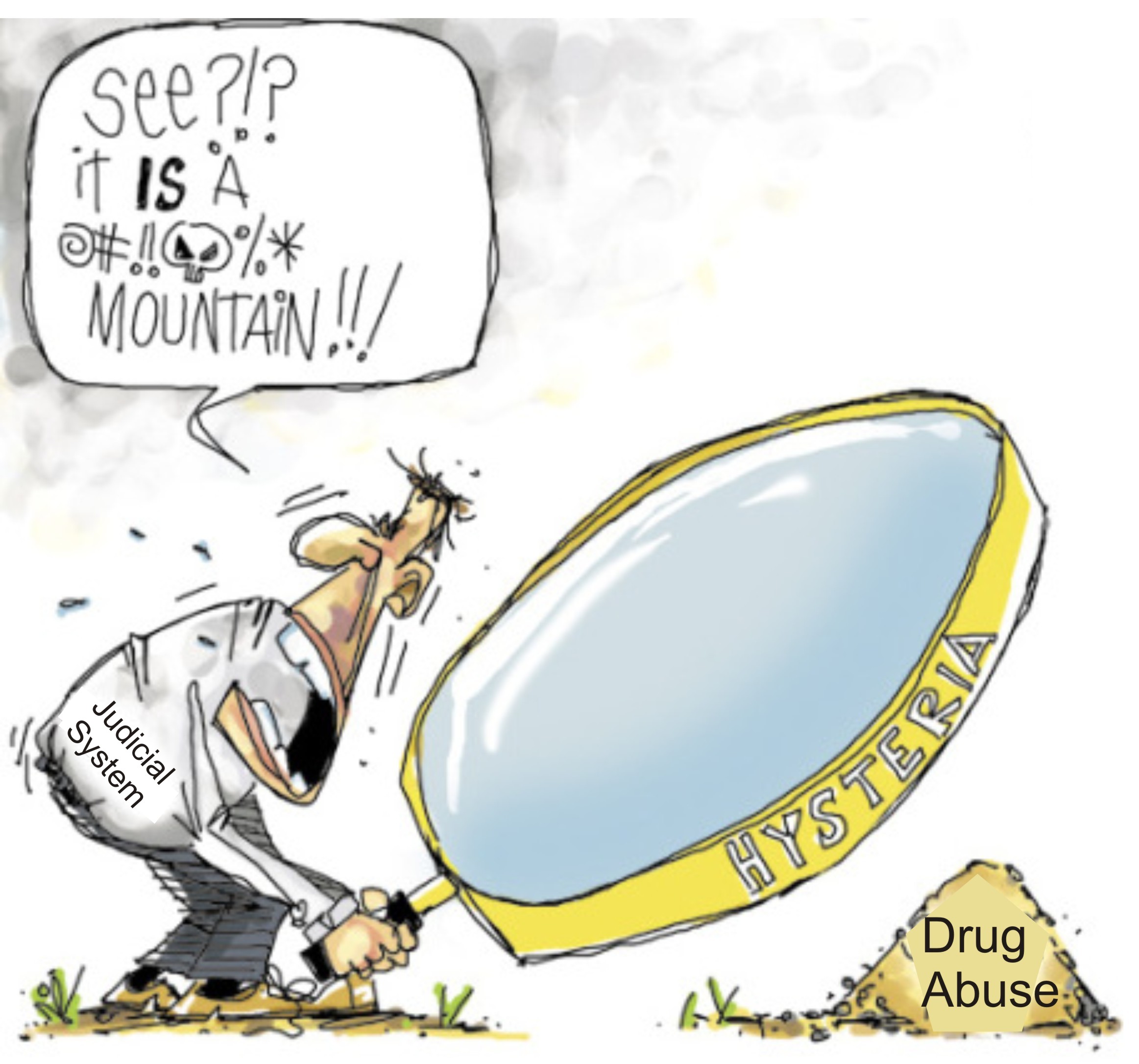


 What this insurance company is doing may be creating a “mine field” for everyone but them. The DEA considers it a RED FLAG for a pt to pay cash for a controlled substance prescription when they have insurance. Nothing would indicate that the DEA will make an exception for that RED FLAG under this particular situation.